
Tips From the Tennis Pro: Tips for Juniors Aspiring to be U.S. Open Players

The following is a simple and consolidated checklist for junior tournament players working their way along the developmental path to future U.S. Open tournaments.
Big concepts
1. Don’t train in too small of a pond. Too many coaches and programs want to keep you to themselves. While it’s important to have a home base, you also need to practice and play with a wide variety of players and playing styles. Seek out hitting partners and develop several “practice pods” that you can train in. Be nomadic and expand your radius to match your level of competition. If you are competing locally, train closer to home, but consider using multiple facilities and programs. If you have a higher sectional or national ranking, expand your exposure accordingly looking for opportunities to train with your regional and national peers.
2. While using multiple programs you will be exposed to multiple coaches. While these different perspectives can be of value, it’s important to have a primary coach who communicates effectively with these other coaches and establishes developmental priorities.
3. Learn to “play the game.” Too many players become solid technical ball strikers and are great in clinics, but struggle when in competition. You need to carve out independent practice time … you don’t always have to play with a coach or “in a program.” Play practice matches, sets or breakers with a variety of players.
4. Aim higher and practice tougher. In addition, seek out and hit with older and more experienced players, such as high school, collegiate or adult players at your club. Then, as you get older, don’t forget to give back to younger players.
5. Build a strong support team around you. This team should consist of parents, coaches, trainers, sports psychologists, nutritionists and older players you can emulate. All of these individuals have their place in your development.
 Prevent injury
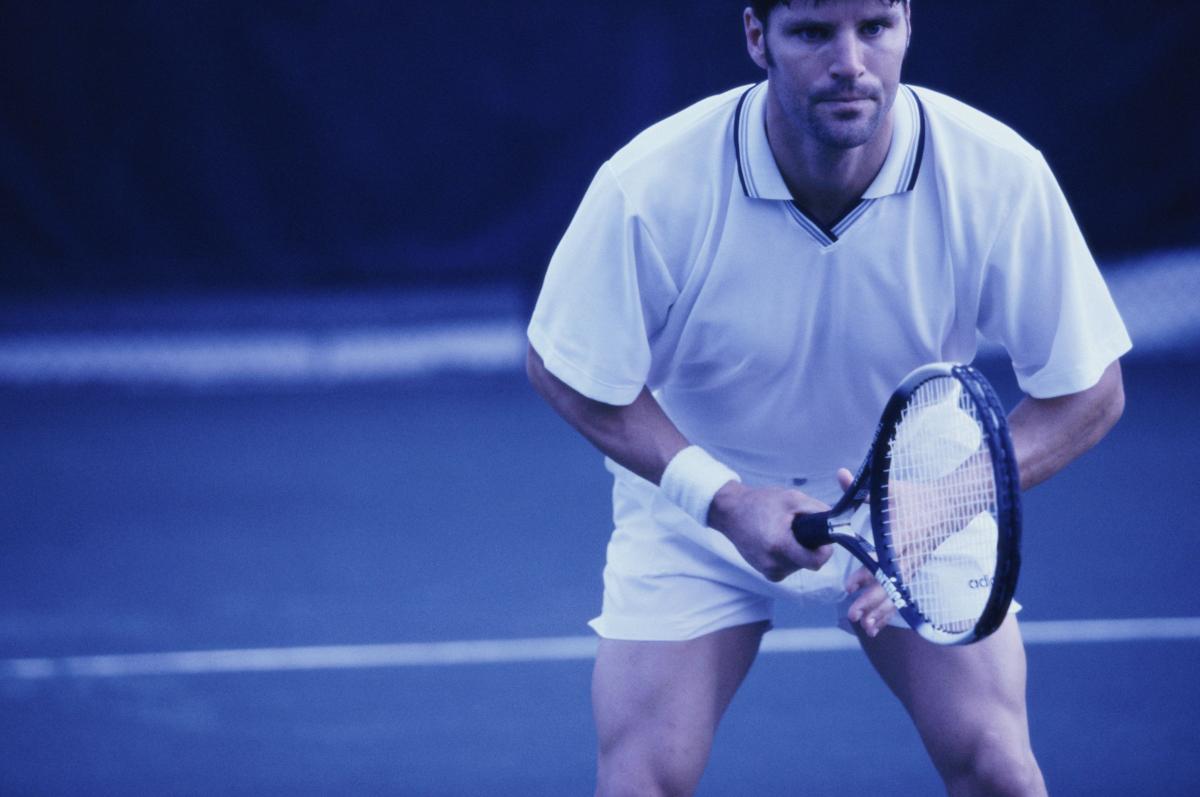
1. Stay healthy. In order to progress along your developmental pathway, avoiding acute, short-term and chronic injury is key. Too many players and programs are “on-court” too long, sacrificing quality and intensity, for selling more time “on-court.” The time you train should be intense, focused and with a purpose, thus challenging you both physically and mentally. In my opinion, too much unfocused time on-court builds mediocrity and can actually cause injury, not excellence!
2. As a young player, avoid too much heavy lifting in the gym. While I could go into great detail on this topic, consult a trainer who knows this sport and the needs of developing competitive players.
3. Play with the softest strings you can. As a junior player, avoid stiff poly strings. While you will restring more often, your arm and wrist will thank you. Always add a vibration dampener.
4. Tighten your laces. It amazes me how many top junior players don’t tighten their shoe laces. You don’t want your ankle rolling in your shoe and end up with a sprain.
Pre-match
1. Develop proper sleeping habits. Approximately seven days before a tournament, start to pay extra attention to sleep levels, pre-match diet and hydration (you should already be watching these during your training cycles). These factors can affect your body’s performance many days out. Be prepared to play multiple matches over multiple days.
2. Switch up your routine. Shift training cycle from drills to live ball point play, sets, tie-breakers and practice matches.
3. Do not over-exert. Avoid very heavy lifting, training or swimming before a tournament begins.
4. Get accustomed. Practice on the same surface as the tournament, and use the same ball type. If the tournament is a major change in surface, climate, altitude, geography or time zones, plan travel to allow practice time and acclimation to that environment.
5. Prep your body. Get up at least three hours before match time. Give your body time to fully wake up.
6. Mentally prep yourself. Positive mental preparation, maintain a professional mindset with positive mental imagery. Be excited to compete and enjoy every match!
7. Properly warm up. Warm up for your match as follows: Begin with a dynamic warm up (one before getting in the car and another at match site, if you’re traveling a long distance to the match site). Follow with a pre-match on-court warmup at the site if possible (for 15-30 minutes maximum, about 30 minutes to 90 minutes before match time). This may not always be possible. If you cannot warmup at the tournament site, an “on court” hit at an alternative site is recommended. In these cases, your pre-match dynamic warmup becomes more important.
 During match play
1. Go in prepared. Enter the match with a “game plan” based on your strengths and your scouting.
2. You are better. Know that you are better-trained, better-prepared, and are in better shape than your competitor for this and every match.
3. Your number one weapon is your mind!
4. Maintain focus. Keep your mind and eyes on your own court. Block out all other distractions (noise, fans, parents, etc.). This is a learned and practiced skill.
5. If necessary, adapt/change and problem solve. How are points being won or lost in your match? Is the match being won by you or is your opponent losing? Am I getting beaten or are you beating yourself? Problem-solve! The world’s best players are excellent problem solvers. This is also a learned and practiced skill set.
6. Have every shot in your toolbox. From lobs to overheads, drop shots, slices, etc., bring out all of your shots.
7. Control the rate/speed of play.
8. Be unpredictable. If unpredictability is part of your game, strategically change the pace and spin of the ball to disrupt your opponent’s rhythm.
9. Keep consistent. If you’re winning, you may wish to take less time between points and shorter changeovers … “stay on a roll.” Don’t give your opponent time to problem solve. If you are down, then slow down! Give yourself time to problem-solve, remain focused, go through your routines, and give time for your opponent to over think! Shift the momentum.
10. Use your routines and breathing to control emotions, both positive and negative emotions. Channel frustration or anger into fighting spirit and will to win!
11. Be positive and show only positive emotions and body language. Do not lose control or show negative behavior … it builds up your opponent’s confidence.
 12. Have good match awareness. Understand your opportunities with break points, deuce games … know when to take chances and know when to play percentage tennis.
13. Never let things get to you! Bad line calls, call challenges, cheating, net cords, lets, your opponent’s parents and fans, etc. These things will happen. Know and accept that. Manage the match and stop your opponent’s cheating within the rules, use available umpires. Stop play until an umpire can intervene. If the line judge leaves your court and the cheating continues, stop play again, and ask the umpire/line judge to return. Know that you are the better player win or lose for taking the high road.
14. Play to win! Do not play “not to lose.”
15. Never give up! Matches can turn quickly, as players can get tired or injured, etc. If you are down, the longer you are out there, the better your chances to come back.
16. Serve with a purpose. Have a plan for every serve (placement) and every return of serve. Ensure you are using your routines to prepare for the start of each point.
17. The “Six Ball Rule.” If you are having a tough day, focus on your footwork, breathing and routines. Use the “Six Ball Rule:” Get six balls in, before taking any chances, unless a clear opening presents itself. Play with shape and margin.
18. If you double fault, make sure you get your next first serve in!
19. Manage your body. Hydrate and eat during changeovers. Remember, you are managing your body for this match, the next match and the tournament.
20. Take advantage of changeovers. Use changeovers to build positives, pat yourself on the back and develop strategies. Analyze the match, become an ESPN commentator for yourself.
21. Record yourself. Have someone video and or chart your matches … use all the technology available to you!
22. You’re next match starts as soon as this one ends!
 Post-match and between matches
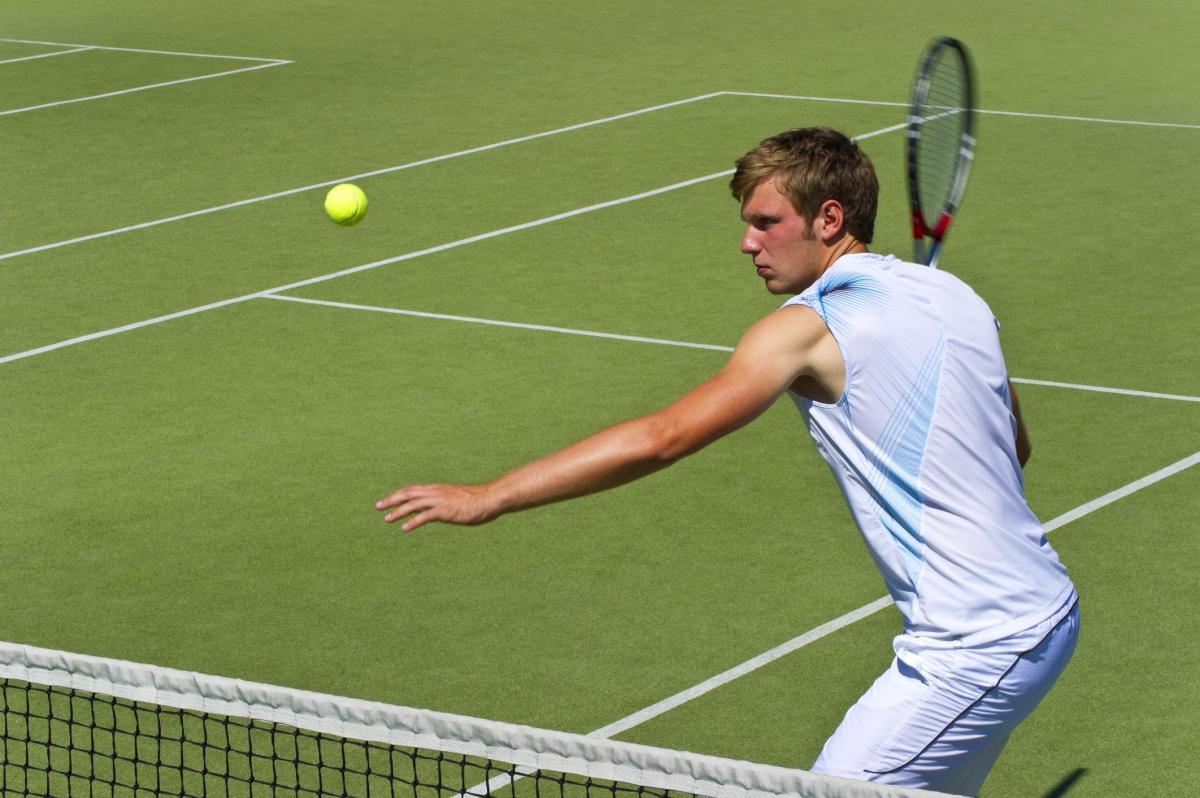
1. Log your activity. Keep a journal of the match and how you would play your opponent the next time. All of your matches, whether you win or lose, should be recorded in this log.
2. Know when to discuss results with parents and coaches. Some players need more time between their match and the time of analysis, while others are comfortable with post-match discussions. Know yourself and communicate this to your parents and coaches.
3. Study your stats and video. Use all technology available to your advantage!
4. Learn from every match. Develop practice plans from these lessons.
5. Make sure your body properly recovers. Use static stretching, massages, ice baths, etc. to help your body recover. Use the trainers at the tournament site if available. Never pass up their assistance.
6. Manage your body. Hydrate, eat, rest, and sleep. Manage your body for the tournament and future play.
7. Mentally relax. Scout, but never linger, at the tournament site after your work is done. Give your mind a rest.
8. Keep loose. A short hit between, or after, the day’s matches, is a great way to stay loose. Adjust your practice time based on your match time and match toughness.
9. Beware the sun! Never sit in the sun between matches … it will drain your energy.
10. Cool down properly. Take cold/cool showers between matches and change into fresh clothes.
Take time to discuss, practice and implement the above with your parents and coaches. It will help you become a better-prepared and better-educated player. Remember, your next match starts when the last point of the current match is finished!