
Your Post-Match Routine and Why It’s the Only Way to Improve
In the last issue of New York Tennis Magazine, we spoke of the value of a good pre-match routine and mentioned how important physical and mental preparation was to the tennis player.
In this issue, we will discuss what you do following the match. The most important skill a tennis player can possess is the ability to learn from their losses. If they can work through disappointment and despair and forgive themselves, then they can have an enormous opportunity to learn about the game and what needs improvement. As the saying goes: “The only way to learn is to fail.” The following article will discuss the importance of a post-match routine and the six steps every touring player uses in order to improve.
1. After a big loss, the feeling of anger, despair and disappointment are great and one ought to feel these emotions. It may take a few hours to recover from the emotion, and though painful, this should trigger an awareness to learn and grow. This phase ends with forgiveness to oneself. This is a mature defense and a good one.
2. This is then followed by Phase II, which is a careful review of where one went wrong. Review each point and identify the biggest flaws in your game. Maybe it’s a weak backhand, failure to attack, playing it too safe, getting too angry, a weak serve, etc. You must pick the one big flaw that caused the loss. Memorize this mistake and write it down. And do not think you can figure the solution out on your own because you cannot.
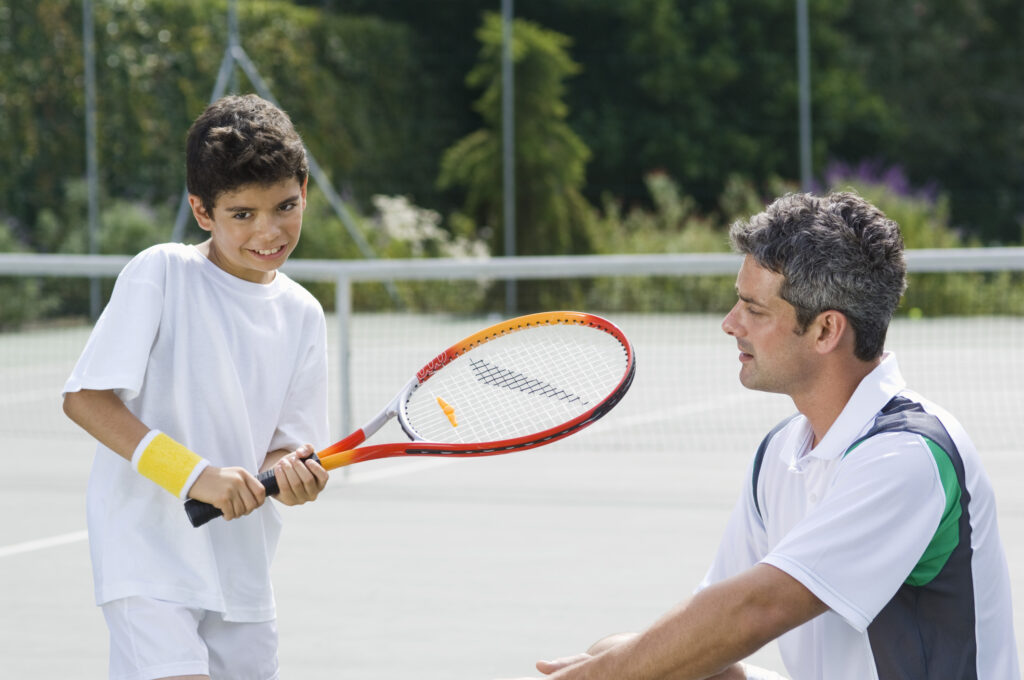
3. Go to your coach the next day and share the flaws with him and detail what occurred during the match. The coach will listen and will know what caused the flaw. This will be followed by an answer, which, in all likelihood, be both simple and accurate. This needs to be followed by scheduling an on-court lesson to reinforce the new move.
4. During the lesson, you need to exchange dialogue with the coach and demonstrate the new move so that it becomes engrained in the body and the mind.
5. Finally, in Phase V, you need to use the new move in a match. At the beginning, the new move will not be natural, so one needs to be patient and allot time to commit to this.
6. As time goes on, this will produce more wins and then your job during the post-match routine is to again review the new move so that it becomes refreshed and not forgotten.
If you can manage to instill this post-match routine into your tennis career, you will actually learn and improve in ways you could never do alone. It takes the courage to face your losses. Review your flaws and pinpoint the biggest one, and then have the humility to realize you need help with this matter. Then, have the trust in your coach so that they can help you make the changes necessary. You also need the verbal skills to engage in dialogue with your coach during the playing lesson. Finally, you must have the fortitude, memory and patience in order to put the new move into action. This is what we call a post-match routine and something all of the top players in the world do after every match.