Prodigy Making: 15 Ways To Improve Junior Tennis Technique and Development
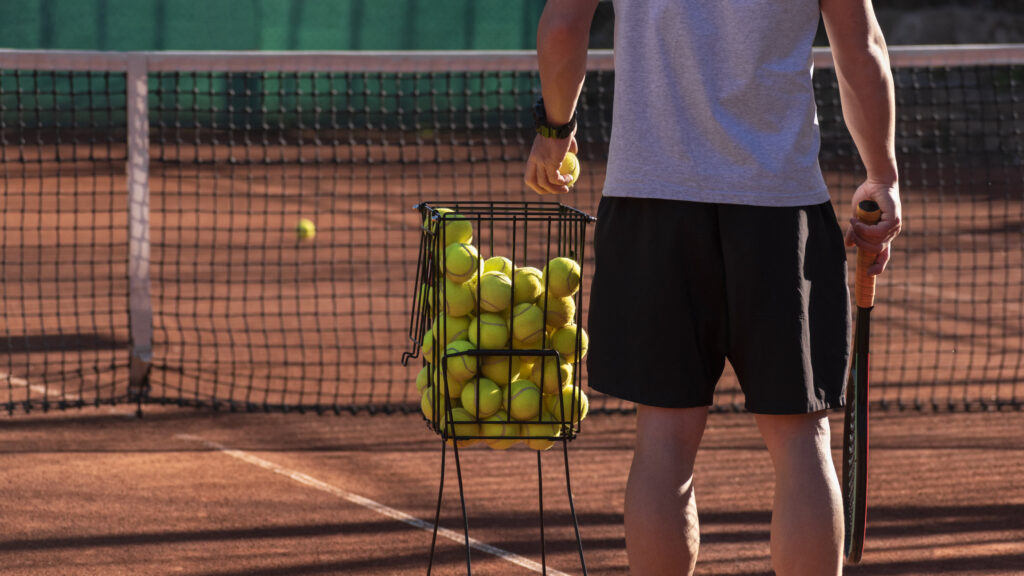
Unfortunately, kids around the world often do not receive a strong technical foundation in their strokes and movement. I have a great passion for training children and have dedicated much of my coaching work in tennis to developing a great base of technique for kids. I have also been fortunate to work with many tennis prodigies. This article will offer advice and guidelines, based on my experiences, about how to build world-class technique and elite juniors in general.
It’s critical to give children a great base of technique that is grounded in sports science and proven by experience. The following essential 15 principles relate to technical training and development for children during the junior years. Coaches and parent-coaches can use the principles to guide their students better. Kids can follow the principles to help their own technique and game.
15 Technique Principles
Principle #1: Make Movement Skills Training A Priority From The Beginning
World-class movement and footwork is everything for children. Without great movement, kids can’t learn to be consistent. Lateral movement is the foundation of movement training for kids because it comprises the majority of tennis movement patterns on the court during matches.
Principle #2: Focus on Topspin
Focusing on topspin is crucial, not just for the performance benefits, but as a teaching tool to refine technical checkpoints. Kids will play better with topspin, but their technique will also get better if they focus on imparting topspin—so it’s win-win! Remember that topspin must be combined with power and depth.
Principle #3: Make It Fun, But Teach Technique
A major problem in junior coaching today is that kids are entertained—but not trained enough. Kids need technical discipline, not just games or fun.
Principle #4: Determine Where the Player is on the Magician and Mechanic Scale, and Train Techniques Accordingly
Magicians are more creative, artistic type players who learn with open drills and competing in games. Mechanics are players who are analytical and benefit more from many repetitions performed in closed drills. Balanced players are somewhere in the middle. It’s important to learn your player’s learning and personality type and train accordingly.
Principle #5: Don’t Worry About Burnout
Burnout can happen but you have to take the risk and train hard. Without risk there is no reward. Let kids play as much as they want. Kids generally need thousands of quality repetitions to master their skills and become elite.
Principle #6: Worry About Injuries
Injures are dream killers. Develop efficient and safe technique and be cautious and closely monitor training loads.
Principle # 7: Cross-training Multiple Sports is Good But Not Required
Some kids don’t like multiple sports. For kids who love tennis and only want to play tennis—that’s okay. Just make sure they have a good injury prevention and athletic training program in place to balance and train the body physically.
Principle #8: It’s Okay To Specialize Early
Every kid is different. Some kids specialize early and some later. Many prodigies in tennis specialize early. Don’t be afraid to play a lot of tennis at a young age if the player loves it and has fun on the court.
Principle #9: It’s Possible To Identify Talent
Some claim that it is impossible to identify talent in young kids, especially pre-puberty. That’s not true. You can see talent in a young kid. I look for foot speed, hand-eye coordination, power, agility, mindset, and the ability to learn, among other gifts in my players. The most underrated talent is durability—the ability to stay healthy and rebound quickly from injuries when they happen.
Principle #10: Quality Repetitions Unlock Technique Mastery
The secret to world-class technique is quality repetitions, but how to get those repetitions is the art of coaching and learning.
Principle #11: Start With More Conservative Grips
As the great American technical coach Robert Lansdorp once said, “Start the kids closer to an eastern grip and let them slide over to semi-western if they must.”
Principle #12: Encourage the ATP Style Backswing But Don’t Force It
Compact backswings on the same hitting side are excellent and should be encouraged, but don’t force them. Many kids will grow out of excessive backswings, so there is no need to panic about backswings at a young age.
Principle #13: Modern Tennis is An Aerial Game and Should be Taught and Learned That Way
Jumping off the ground for shots is a major part of the modern professional game today and should be taught to young kids from the earliest lessons. Players need to understand that it’s good to leave ground on shots in a controlled fashion.
Principle #14: The One-Handed Backhand is Dead—or Almost Dead
With the number of one-handed players on tour dwindling, the one-handed backhand should probably not be taught to kids, especially girls. I’m sorry to all the one-handed fans.
Principle #15: Teach On-The-Rise Skills Early
Taking the ball on-the-rise is very difficult and needs lots of practice. Talented little kids always get moonballed so they need to learn how to hold their ground on the baseline to beat older kids.
Conclusion
I hope these principles help inform and guide parents and coaches, and players themselves on the junior development journey. Contact me at chris@chrislewit.com with any specific junior development questions.
Vamos!