Tennis and the Piano: How Musical Training Can Sharpen Your Game
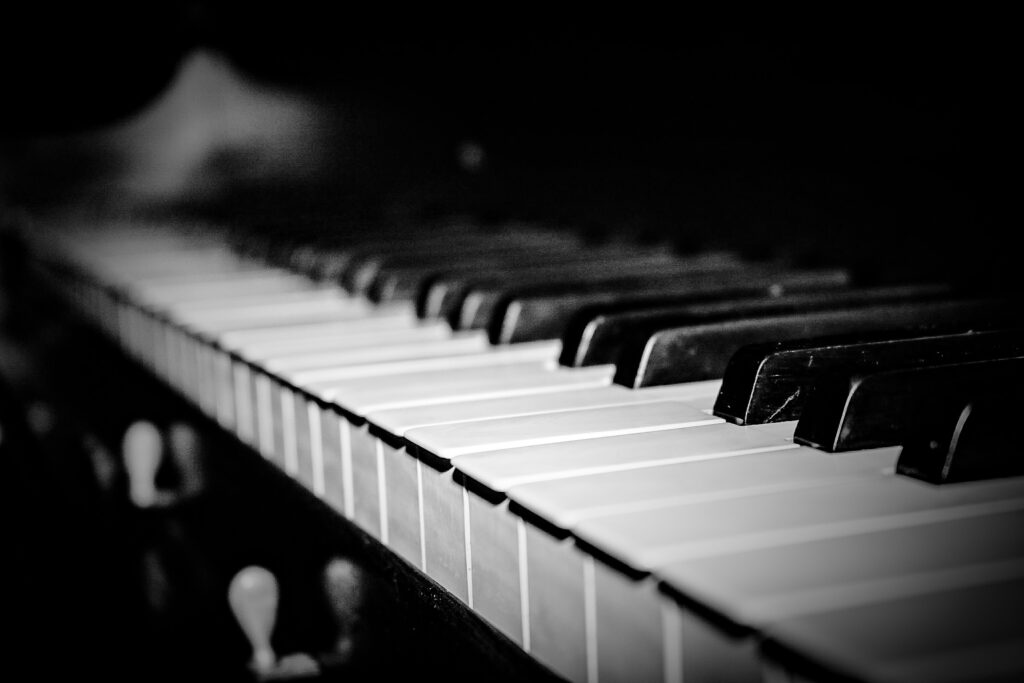
Tennis and the piano may seem worlds apart, but the link between the two is stronger than you might think. Over the years, as I’ve coached numerous young tennis champions—including national and international standouts—one surprising trend I’ve noticed is how many of these prodigies played the piano as part of their upbringing. At first, I chalked it up to coincidence, but as I delved deeper, the connection became clear. The skills required to master the piano—fine motor control, hand-eye coordination, proprioception, and even mental discipline—translate beautifully to the tennis court.
In fact, incorporating piano exercises into a tennis player’s training regimen can unlock a whole new level of performance, enhancing both physical and mental aspects of the game. Let’s explore how these seemingly unrelated activities intersect and how players at any level can benefit from the crossover.
The Physical Connection: Fine Motor Control and Proprioception
Tennis is a game of precision, requiring players to adjust their grip, angle, and pressure on the racquet within milliseconds. Similarly, playing the piano demands exceptional fine motor control, where each finger must move independently with the right amount of pressure and timing.
Through piano exercises, players can develop:
→Finger Independence: The ability to isolate and control each finger—a skill that directly enhances grip adjustments and shot variety in tennis.
→Proprioception: Piano playing hones an acute awareness of where your fingers and hands are in space without relying on visual input, a vital skill for refining volleying and touch shots.
→Coordination: As piano players often manage different rhythms and movements between the left and right hands, this ambidexterity mirrors the dual-handed coordination required in tennis strokes and footwork.
Mental Benefits: Focus and Pattern Recognition
Piano training isn’t just physical; it’s a mental workout, too. The cognitive demands of reading music, memorizing patterns, and executing them flawlessly under pressure build mental resilience and focus. These skills are invaluable on the tennis court, especially when anticipating an opponent’s moves or strategizing during a match.
Additionally, piano players are accustomed to practicing repetitive drills to perfect a piece, fostering a level of discipline that translates directly to tennis training. Learning scales on the piano feels remarkably similar to perfecting forehands or serves: focused repetition leads to mastery.
Why Some of the Best Players Played Piano
The crossover benefits of piano training aren’t just theoretical. Many of the young champions I’ve coached have credited their musical background for sharpening their game. These players often excelled in areas like timing, rhythm, and composure under pressure. Whether they were mastering a Chopin étude or preparing for a high-stakes match, they developed a similar approach to practice and performance: a blend of creativity, technical precision, and mental toughness.
Practical Applications: How Piano Exercises Can Help Tennis Players
Even if you’ve never touched a piano, incorporating piano-inspired exercises into your routine can yield surprising benefits. Here is a sample of practical ways to apply these principles:
1. Finger Dexterity Drills
→Exercise: Place your hand on a flat surface and lift one finger at a time while keeping the others steady. Start with your thumb and work through to your pinky.
→Tennis Benefit: Builds finger independence for more precise grip adjustments during strokes.
2. Rhythmic Patterns
→Exercise: Practice tapping your right hand in a steady rhythm while alternating irregular patterns with your left (e.g., 3 beats in the right hand for every 2 beats in the left).
→Tennis Benefit: Enhances coordination and mental focus for reacting to unpredictable ball patterns.
3. Pressure Sensitivity Training
→Exercise: On a piano or keyboard, play a single note repeatedly, starting softly and gradually increasing pressure to make the sound louder. Then reverse the pattern.
→Tennis Benefit: Teaches control over force application, critical for finesse shots like drop volleys and lobs.
Stretching and Strengthening Routine for Tennis Players Inspired by Piano Techniques
Stretches
1. Finger and Hand Stretch
→Extend one hand forward, palm up. Use the other hand to gently pull back on the fingers, stretching the wrist and fingers. Hold for 15–30 seconds per hand.
→Why It Works: Increases flexibility for better racquet grip and reach.
2. Thumb Stretch
→Place your palm on a flat surface and gently press the thumb away from the fingers. Hold for 10–20 seconds.
→Why It Works: Improves thumb mobility, crucial for grip control.
3. Wrist Flexor Stretch
→With your arm extended in front of you, palm facing down, use your opposite hand to pull your fingers downward toward the ground. Hold for 15–30 seconds.
→Why It Works: Reduces tension in the forearms, preventing overuse injuries from repetitive strokes.
Strengthening Exercises
1. Rubber Band Resistance
→Wrap a rubber band around your fingers and thumb. Slowly open and close your hand against the resistance.
→Why It Works: Strengthens the small hand muscles for better racquet stability.
2. Ball Squeeze
→Use a stress ball or tennis ball. Squeeze and hold for 5 seconds, then release. Repeat 10–15 times per hand.
→Why It Works: Improves grip strength, which translates to more powerful strokes.
3. Isometric Holds
→Place your hand flat on a table and press one finger at a time into the surface, holding for 5 seconds.
→Why It Works: Develops finger strength and endurance, essential for maintaining control during long matches.
Conclusion
Whether you’re a seasoned pro or an aspiring junior, the piano offers a surprising source of inspiration for tennis training. By adopting stretches, strengthening exercises, and mental practices inspired by music, players can improve their dexterity, focus, and overall performance. If you’re already playing piano, keep at it—your time at the keyboard is building skills that will serve you on the court. And if you’re not, it’s never too late to start incorporating these elements into your training.
After all, just like in music, mastering tennis is about finding the perfect balance of precision, rhythm, and artistry. So why not let the piano be your secret weapon?