
Importance of Youth Competition
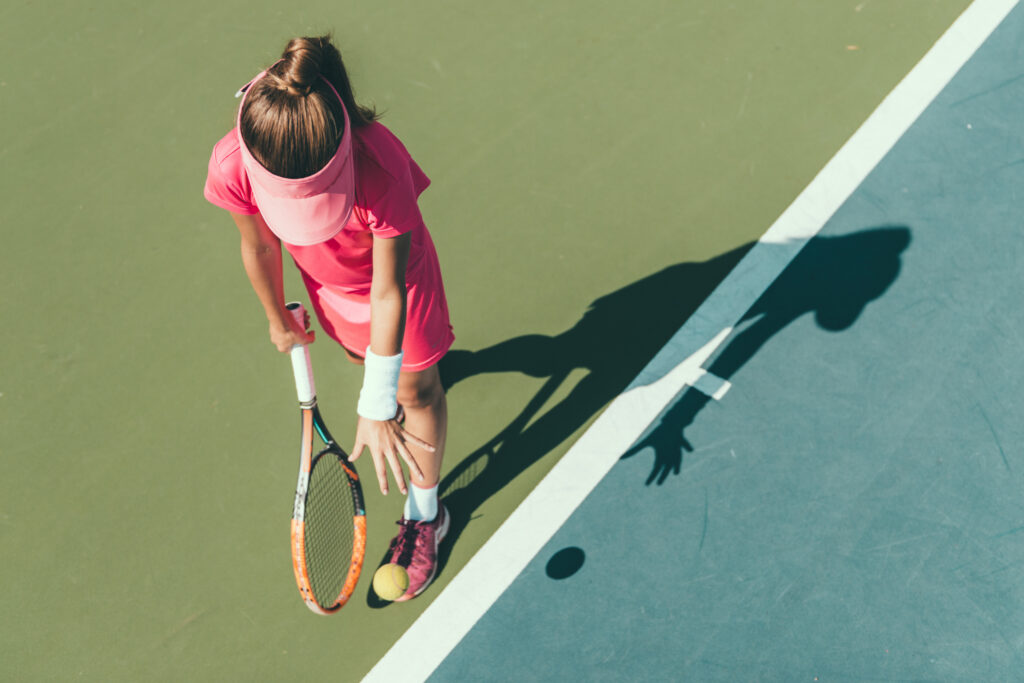
Introducing competition early on in a kid’s life gives them the opportunity to develop tools that will serve them well in many areas of life, not just in sports. Competition puts kids in situations where they need to learn ways to stay motivated and enjoy the journey, rather than just focusing on winning and other short term goals.
While the benefits of youth competition are significant, as coaches, parents, and other adults guiding kids to slowly transition to adulthood, maintaining a healthy relationship with sports by balancing competition with fun and enjoyment off court is necessary to prevent burnout and other negative outcomes.
Here are some benefits of youth competition:
- Sportsmanship and Respect: Kids not only learn to respect the game, but also themselves and others. Competition teaches kids how to win graciously and lose with dignity, both of which help develop strong character.
- Time Management: Being successful on court requires an understanding that you have to balance and make time for training, recovery, tournaments, and, of course, school. As they balance everything, they develop discipline and a strong work ethic that helps them prioritize and organize what matters the most.
- Sense of Achievement and Progress: Champions and well rounded people aren’t created overnight, the progression through the levels of red curriculum to orange ball tournaments to national tournaments is an amazing way to build confidence by reaching and achieving milestones along the way. As they climb the ladder, they learn how to set goals, work towards them, and feel that sense of pride when they complete them.
- Improved Skill Development: Early exposure to competition helps young players refine their technical and tactical skills. Competing regularly provides opportunities to learn how to perform under pressure, identify areas for improvement, and develop better strategies. Just like in a tennis match, you can’t just use the same one shot to beat every opponent. As they add more tools to their toolkit, they learn how important it is to develop additional tools and they learn how to choose and combine those tools to be successful.
- Social Interaction: While tennis can be an individual sport, the old saying, “it takes a village,” is often forgotten. This includes coaches, parents, and other support systems, but also the kids they train and compete against. It serves as a great way for kids of a similar age to bond with other players, who share similar interests, and are facing the same challenges. These interactions also lead to growth in emotional intelligence: recognizing and managing emotions (such as frustration, excitement, and disappointment). These are skills that will help them not only in sports, but in everyday life.
- Mental Toughness: Competing forces kids to learn how to handle pressure, stay focused, and deal with setbacks. It’s not just about physical skills, but also about being mentally stable, which carries over into other aspects of life. In any tournament they play, there is only one winner; most weeks will end in a loss, this forces kids to build resilience which is surely applicable to life beyond the court.
- Building Confidence: On the flip side of mental toughness, early competition gives young players the chance to experience the rewards of hard work, whether that’s improving their ranking, winning a match, or seeing progress in their game. These successes help boost self-esteem and confidence, which are essential for personal and athletic development.
- Physical Health and Well-Being: Providing kids with ways to channel their energy into activities that are beneficial to their health is easier said than done. As there is only a single player who can say that they’re number one in the world, there is always something to improve and train towards. Even if they are the best, if they don’t continue training and growing, someone else will take their spot.
- Coaching and Parental Role: It is important to remember; we are still talking about kids. They need good coaches and supportive parents to guide them through it all. Both of them can help children deal with setbacks and failure in a way that encourages learning, rather than making them feel discouraged. Nurturing a love for what you’re doing alongside competitive spirit ensures that the young athletes have a healthy and balanced approach to life.
Introducing competition early teaches kids to stay motivated, enjoy the process, and balance the pursuit of goals with fun. Overall, competition helps kids grow into well-rounded individuals, equipped with skills to thrive both on and off the court.