Rethinking Junior Tennis: The Advantage Tennis Clubs Pathway
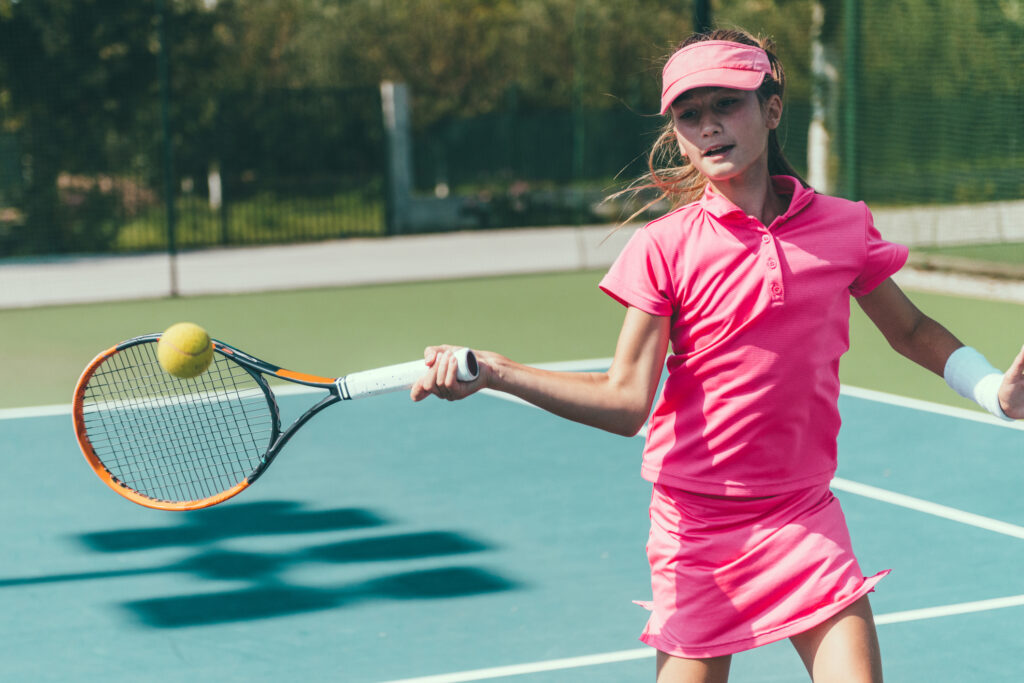
If you grew up learning tennis the “old-school” way—full-sized courts, yellow balls, and early competition—you might be surprised to learn how much the game has changed for today’s youngest players. At Advantage Tennis Clubs (ATC), we’ve spent over 55 years refining our approach, and our Junior Tennis Pathway is the result: a smarter, more effective system built around fun, fundamentals, and long-term success.
What Is the Advantage Junior Pathway?
We use a progression-based system that meets kids where they are—physically and developmentally—and guides them through recreational and toward competitive play at the right pace. We follow the USTA’s ROGY model: Red, Orange, Green, and Yellow balls, each stage tailored to age and ability. This allows kids to grow their confidence and skills while staying engaged in the game.
Why a Pathway Matters
Unlike traditional methods that rushed young players into full-court matches with standard equipment—often leading to frustration or injury—our pathway uses the right court sizes and ball types for each level. This ensures better learning, more enjoyment, and a strong foundation for long-term success.
The Junior Pathway, Stage by Stage
Red Ball (Ages 4–8):
A fun, exploratory introduction to tennis. Kids build coordination, learn basic strokes, and play on mini-courts using red foam or felt balls designed for slower bounce and easier tracking.
Orange Ball (Ages 8–12):
Players refine strokes and begin rallying and scoring on three-quarter courts with orange balls (50% compression). Emphasis shifts to control, consistency, and early strategy.
Green Ball (Ages 9–13):
Now on full-sized courts, kids work with green balls (75% compression) to build power, stamina, and more advanced tactics—preparing for competitive yellow ball play.
Yellow Ball (Ages 10+):
Standard court, standard ball. Players master technique, strategy, and mental focus for match play. This is the stage where tennis starts to look like the game you see on TV.
High Performance (Ages 10+, by evaluation):
For advanced players ready to compete at regional or national levels, its important that a high-performance program includes elite coaching, physical conditioning, and mental training to prepare athletes for serious competition.