What To Look For In A Coach…
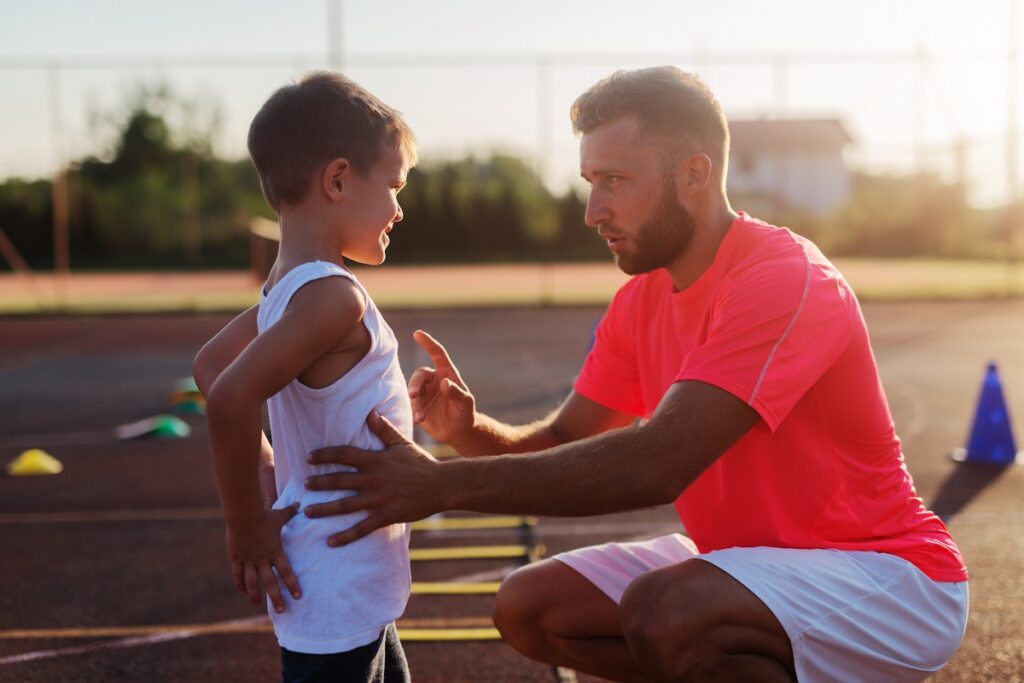
Despite common thought, it is inconsequential how good a player your coach was in their playing career. But it is of great consequence whether he or she can help you grow. Most of the parents and kids don’t understand this and hence, it’s a constant struggle to find a good coach.
When we talk about finding the right coach for yourself or your child, we are talking about finding the answers to the two core questions about ourselves.
“What do I want to achieve in the sport of tennis?”
“Can this coach help me achieve this goal?”
If you can get the answers to these two questions, you will be able to narrow down your search to find exactly the coach you’re looking for.
You will need a certain level of clarity and understanding about your own self to answer the first question. If you’re a parent looking for the right coach for your child, remember, it has to be what your child wants out of this sport, not what you want out of your child in this sport.
Do you like the competitiveness of the sport and want to make it to your high school’s varsity team? Make it to the tennis team of your favorite college/university? Or do you have the ultimate goal of playing professionally and become the world no. 1? Or do you just like it because of the social aspect of the league down at your local club? Once you have figured what you want from the sport, it is then time to address the second question.
This is where the parents need to get out of the passenger seat and into the driver’s seat and decide. Because, on this important decision hinges the growth and development of your child’s tennis career or a lack thereof. You will need to gather insights about the potential coaches through networking within the relevant circles and get personal or professional references.
To understand what coach suits your child the best, we need to understand the key phases the player goes through in his/her tennis journey.
There are three learning phases for a tennis player.
The Cognitive Phase
This is the beginning stage where the coaching should be all about teaching the basics of the game in an environment that is all about having fun because this is where the player falls in love with the game.
The Associative Phase
The coach must focus on getting the kids to combine their movements and technical skills in this stage and continue to become more coordinated between the two. Here the coaching needs to shift from telling the players what to do to helping players identify what to do themselves, leading them to identifying their own errors themselves and finding the fix. The coach needs to train the player’s mind to be their coach, and this can be ensured through repetitions and guided discovery.
The Autonomous Phase
As the child enters the teenage years, more and more tactics should be introduced to their game. This is the age when maturity starts to really kick off in a big way. This is time for a more serious approach to the game of tennis. Skills should become automatic by this stage and the coach, along with their player can devote their energies on executing strategies and tactics with the help of those acquired skills.
A good coach will help your child become a better player within any of the three phases. A top coach will be excellent in taking a player from one of these phases to the next one, but it is extremely rare to find a coach who is adept in developing and transitioning a player through all three of these phases. They are a tough catch and you would almost have to be lucky to land one of them.
Which of the three stages does your child belong to at this moment, and what coach is compatible with the needs of your child? Let the matchmaking begin.