Backhand Slice & Drop Shot: Using Disguise as a Weapon
When we think of weapons in tennis, we often picture big serves or explosive forehands. But at every level of the game, the ability to disguise your shot, especially on the backhand side, can completely shift the momentum of a point.
Two of the most effective tools to add to your arsenal are the backhand slice and the drop shot. While they have different outcomes, they share the same preparation. With an identical setup and just a slight change at the point of contact, you can make your opponent guess and hesitate. Within our NTC Junior Programs, adding the foundation of these shots is emphasized in our approach to teaching all-court tennis. Our NTC Adult Programs even offer a specific class to focus on this called the Stroke Series.
The Backhand Slice
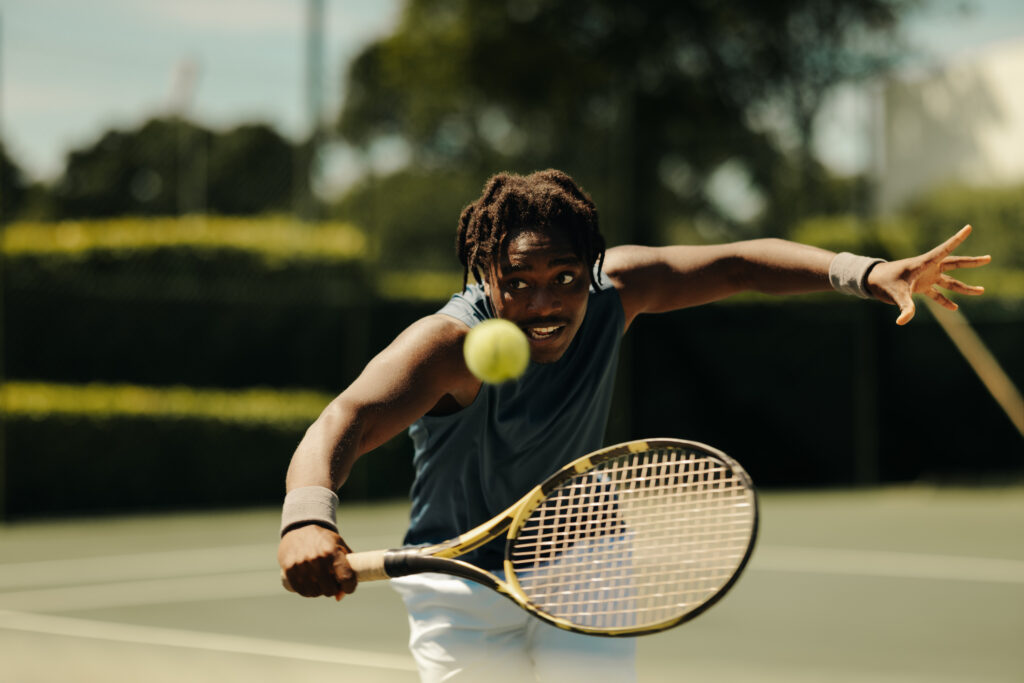
Start with a continental grip and raise your racket high above shoulder level, with a full shoulder turn to your backhand side.
The motion should be high to medium, making contact with the tip of the racket at a 45° angle, guiding the swing in a diagonal downward path as you extend forward. This creates underspin, keeping the ball low and skidding through the court.
Keep your wrist firm. If the racket head drops, the ball may fall into the net or float due to an overly open face.
To make your slice more aggressive, focus on “staying on the back of the ball” without letting the racket face open too much near contact. Lead with your feet to drive the ball deep and apply pressure.
Remember, a slice is not just a defensive shot. A strong, purposeful slice can elicit a weaker reply and help set up an approach to the net.
The Drop Shot
Just like the slice, the drop shot begins with the same grip, stance, and take-back — that’s where the disguise lies.
The difference is in the final touch. Instead of swinging through like a slice, slightly open the racket face and cup underneath the ball, using soft hands to absorb the pace.
Avoid exaggerating—opening the racket face too much or swinging too hard can result in a floating shot that your opponent can easily attack.
The drop shot is all about feel. Play around with racket angle and grip pressure to develop a soft, controlled touch that clears the net and dies short.
It’s most effective when you’re inside the baseline and in an offensive position while transferring your momentum forward. Attempting it from too far back is high risk, low reward.
The Real Weapon: Disguise
The real magic comes when you combine the slice and drop shot using the same setup. Most players read shots based on body language, but when these two shots look identical until the last moment, your opponent will be frozen, forced to guess.
Having an effective slice backhand and drop shot in your arsenal can be a huge weapon, as both shots have the exact same take back, but at the last second, the execution is slightly different. In fact, Roger Federer credits his expanded use of the dropshot as the reason for his 2009 Madrid win, where he ended Nadal’s 33-match clay court winning streak, and French Open titles. This gives a great disguise and will throw your opponent off, as they will be guessing what shot to expect from your backhand wing. Most players tend to use these two shots out of desperation, but using them offensively, on your terms, will open up a lot more options and win you points easily.