
Approaching The Learning Process
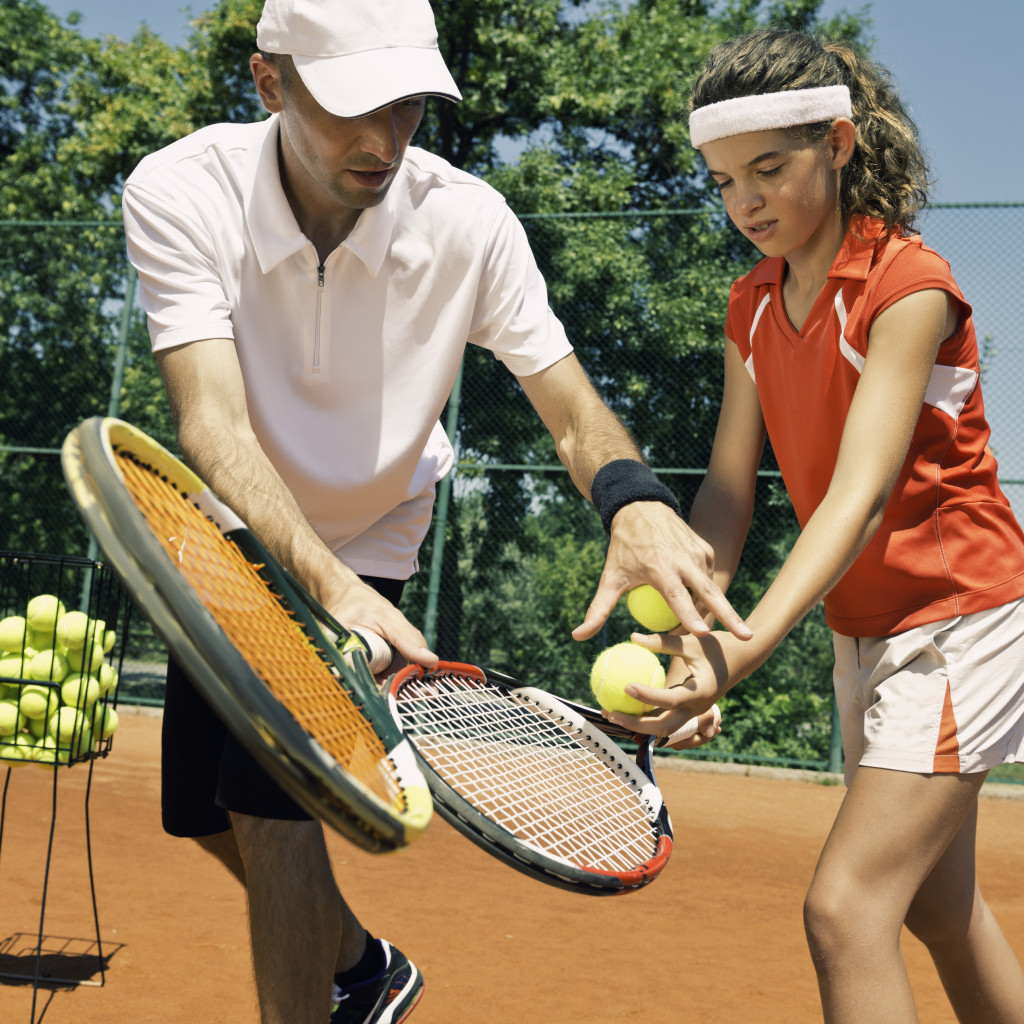
Having the right mental approach to learning is essential to your potential success. Like any sport, tennis will take time to master, regardless of your current level. Approaching the learning process the correct way will help with your journey of becoming a better player.
Here are five tips to help in this journey:
- Playing tennis must interest you in some way. Is it because you appreciate the athleticism of the professionals, or is it for the exercise, or the social component? Could it be you genuinely want to get technically better, tactically better, or to learn doubles tactics? Whatever the reason, never lose sight of what made you want to play.
- To develop your game, taking lessons from a “qualified” coach will provide better clarity about the skills you need to acquire to achieve the next level.
- Stay focused on the learning process:
→Understanding “What” and “Why” you are doing specific actions.
→Taking that understanding and creating a “Feel of Motion”
→Implementing and executing this feel of motion to create “Habits”:
Mental Habits: requires a thought process to achieve. Every habit-forming journey begins here. You will have to remind yourself to perform the habit you are trying to achieve. Do this enough, and the process moves into the physical habits category.
Physical Habits: requires no thought process, done in the subconscious.
And finally, how well do these habits perform during a “Performance Routine” or “Pointplay”? Drilling and practice are different learning environments than playing points. You need to spend time in multiple learning environments to become a complete player.
- A Coach or Racquet Stringer can help you with any of your equipment questions or needs. Having the proper equipment is important. An example would be making sure the racquet you use is appropriate for your level of play. Mismatching that will slow down your development and may cause an injury.
- The Five “P”’s and an “F”:
→Patience: The building of the foundation of a player varies from person to person, with numerous variables that need to be considered. Becoming a player does not happen overnight, within a month, or within a season; it takes time.
→Prepare: Be prepared to have good days and bad days. Being able to learn from mistakes will be vital to improving your game. Therefore, you must be prepared and accepting of making mistakes.
→Practice: The only way habits form is by repeating the same process over and over again.
→Progress: Take note of your progress, no matter how small an achievement you may think it is. Recognizing that you have made progress is a confidence boost.
→Positive: Try to always maintain a positive attitude. Expectations are good to have; however, when a player remains positive, the body has less tension, which will allow the required movements to happen more freely.
→Fun: Remember, this is tennis, a sport, something you have chosen to do. Don’t forget to smile, laugh, and have fun!
In the end, becoming a better tennis player is not defined by how quickly you improve, but by how consistently you commit to the process. Stay connected to your original motivation, trust the guidance you receive, and embrace both the challenges and the small victories along the way. By combining patience, purposeful practice, and a positive mindset, you give yourself the best opportunity to grow, not just as a player, but as a competitor. Keep learning, keep adjusting, and most importantly, keep enjoying the journey every time you step onto the court.