2025 New York Coaches Roundtable

The local tennis community boasts some of the top coaches in the world, and with this wealth of talent available, New York Tennis Magazine took the opportunity to pick the brains of some of these coaches.
These coaches share their thoughts on a wide variety of tennis topics and issues, ranging from junior tennis to the professional game.
Meet the participants….
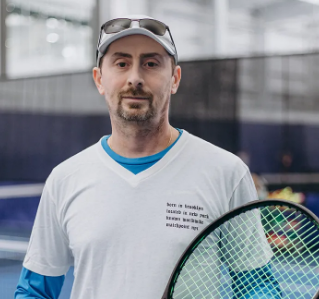 Pavlo Bednarzh is the Director of QuickStart Programs at MatchPoint NYC. A native of Ukraine, Bednarzh was nominated for his country’s Master of Sport award, given to top coaches and experts in their respective sport, and has been coaching junior tennis players for 30 years.
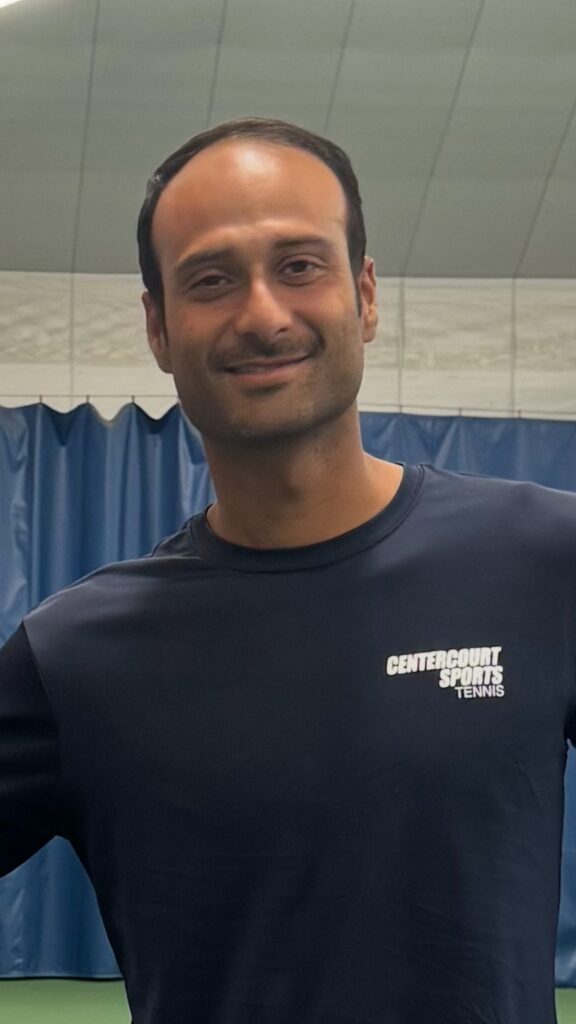 Ankit Chopra is a resident at Centercourt Tennis Academy working with the club’s High Performance and Full-time players. He is a Grand Slam coach and his partnership with Jin Woodman took him to the 2025 US open Doubles Semifinals and Singles Quarterfinals in the Quad Wheelchair event. He played Number 1 Doubles in collegiate tennis at the University of Chattanooga and Chicago State University before turning pro and winning an ITF tournament in 2017. Chopra has combined playing and coaching experience of 21 years.
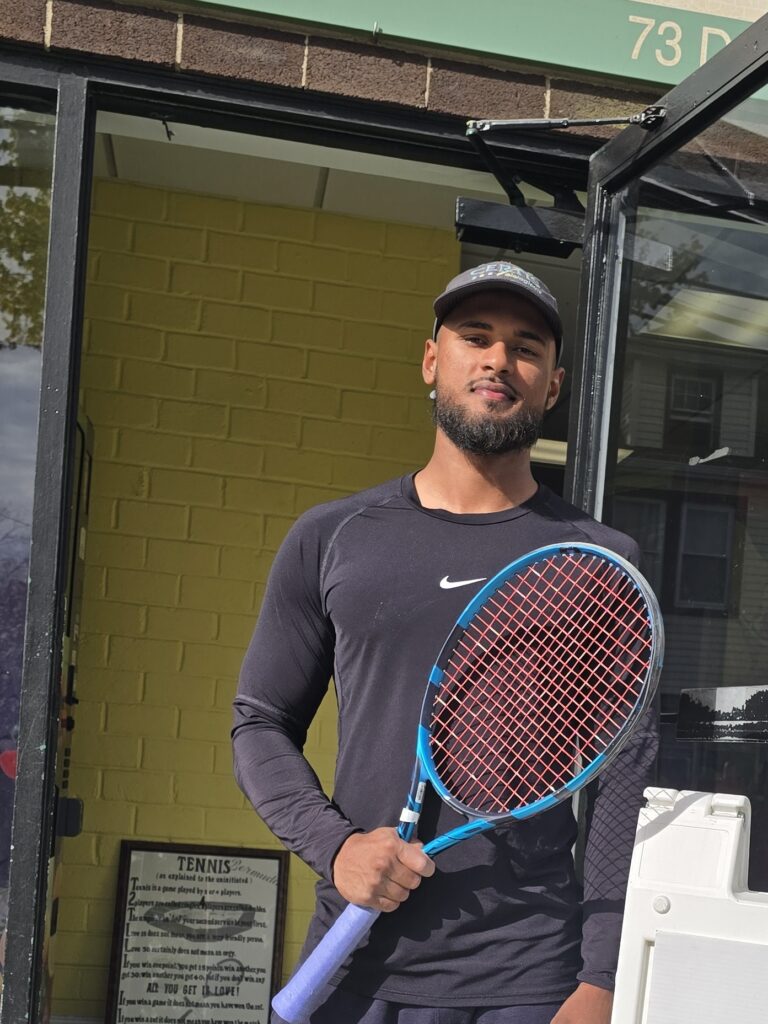 Tawhid Choudhury is a tennis professional at the Nassau Tennis & Sports Center. He grew up playing in different programs in New York City, while competing in national and international ITF tournaments, before going on to play college tennis at Asa College in Miami.
 Yesica De Lucas is the Director of Junior Programming at The Cary Leeds Center for Tennis & Learning. De Lucas has previously coached at the Rafa Nadal Academy in Spain, and recently completed an outstanding career competing for the St. John’s Tennis Team.
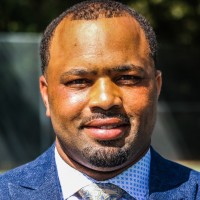 Dale Evans is the Director of Tennis Operations at the Billie Jean King National Tennis Center. Originally from Oakland, CA, he is a 2-time tennis industry national award winner and 2-time national coaching champion who has spoken at several conferences and USPTA World Conferences. After playing collegiate tennis at Jackson State University (MS), he has spent an extensive amount of time coaching players and leading high-performing teams throughout the tennis industry. He holds a B.S. in Management and M.S. in Sports Management and certifications from USPTA, PTR, Academia De Sanchez-Casal, and IPTPA.
 Bob Ingersole is the Director of Advantage Camps. Originally from Australia, he moved to the U.S. in 1976 to compete on the professional tour. A USPTA and PTR certified coach, he has trained over 100 nationally ranked juniors and adults, as well as 16 professional players. Twice named USPTA Eastern Pro of the Year and inducted into the Eastern Hall of Fame, Bob also created Star Search, a program that introduces young athletes to tennis. He lives on Roosevelt Island with his wife, Dina.
 Steve Kaplan is the owner and managing director of Bethpage Park Tennis Center, as well as director emeritus of Lacoste Academy for New York City Parks Foundation, executive director and founder of Serve & Return Inc and co-director of The City Classic Junior Tennis Academy. Steve has coached more than 1,100 nationally- ranked junior players, 16 New York State high school champions, two NCAA Division 1 Singles Champions, and numerous highly-ranked touring professionals. In 2017, Steve was awarded the Hy Zausner Lifetime Achievement Award by the USTA.
 Ed Krass coached the Harvard Women’s Tennis Team to four consecutive Ivy League titles from 1986-1990. Ed is the founder and director of the Annual College Tennis Exposure Camps, which are taught exclusively by all head college coaches for high school-aged players (15-18). Ed is also the founder of One-On-One Doubles tournaments, which have been played at USTA, ATP, ITA and USPTA national events.
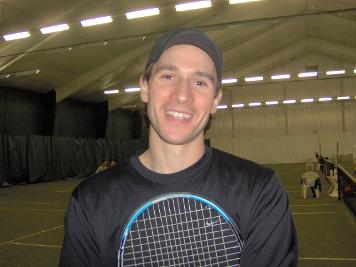 Chris Lewit is a former number one for Cornell and pro circuit player. He is a high-performance coach, educator, and the author of two best-selling books: The Secrets of Spanish Tennis and The Tennis Technique Bible. He has coached numerous top 10 nationally- ranked players and is known for his expertise in building the foundations of young prodigies. Chris coaches in NYC and year-round at his high performance tennis academy in Manchester, VT, where players can live and train the Spanish Way full- time or short-term.
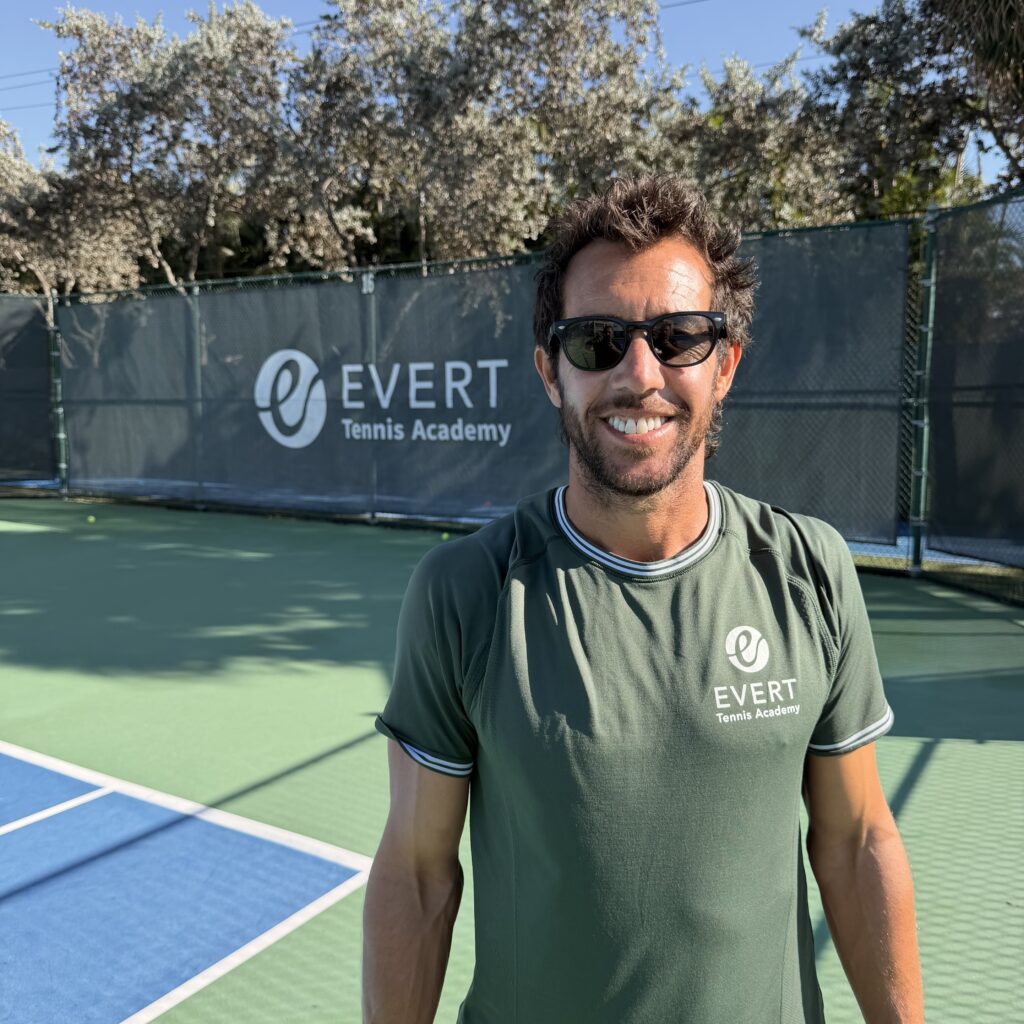 Reggie Moralejo is the Boys’ Program Director at the Evert Tennis Academy in Boca Raton, Florida where he has been a coach since 2011. He previously served as the Director of Junior Player Development for the Sociedad Sportiva Tennis Club, and a head coach at the Bollettieri Tennis Academy. He played collegiately at the University of Hawaii where he played number one singles and was an Academic All-American.
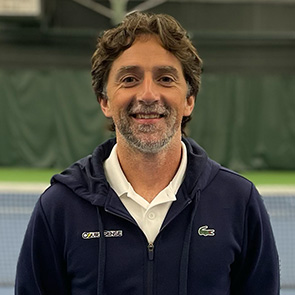 Ognen Nikolovski is the general manager of CourtSense and director of tennis at Bogota Racquet Club. He is a former top junior from Yugoslavia who went on to play college tennis at Rollins College where he became an all-American. He went on to become a world-ranked singles and doubles player on the ATP Tour and was a captain of the Macedonia Davis Cup team. He joined CourtSense in 2008 where his passion and experience has become instrumental in developing the program.
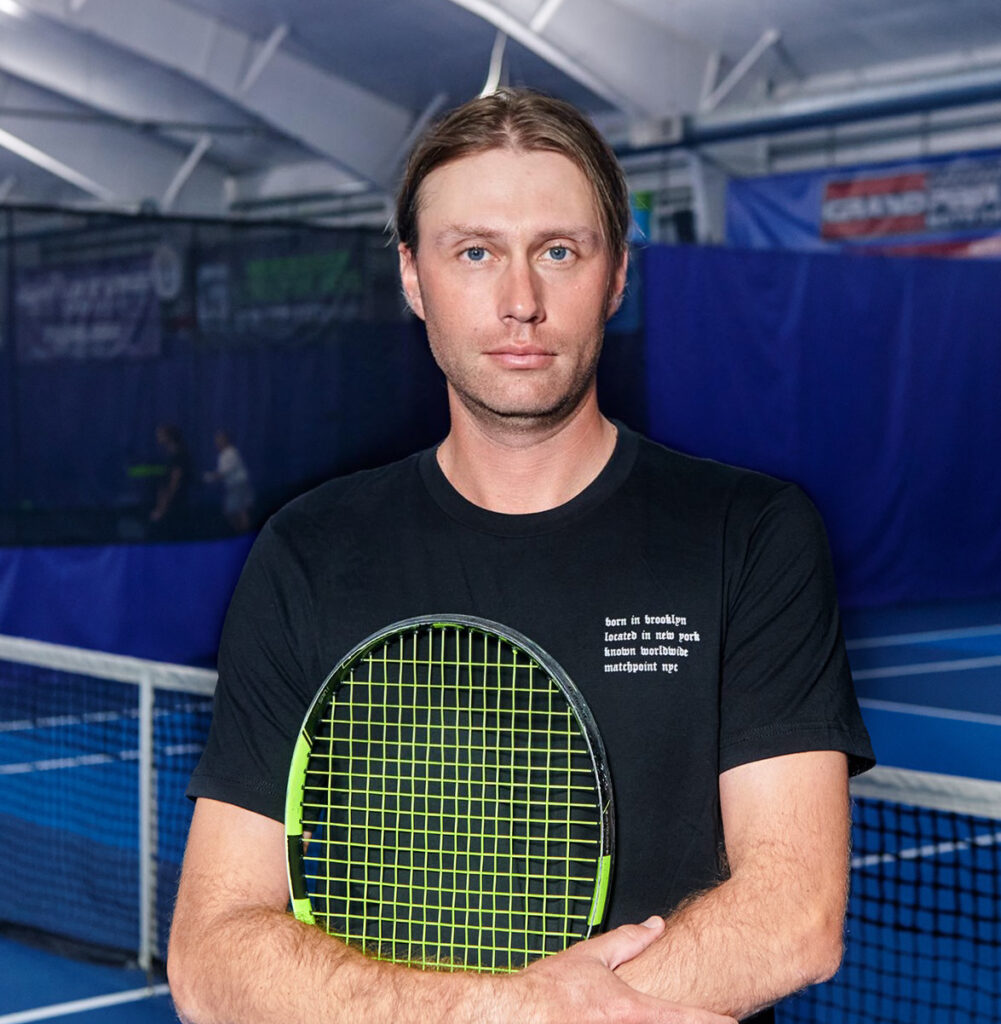 Tim Senkevich is the Director of Junior Tennis Development Program at MatchPoint NYC. He is a former member of the Belarus National Junior Team, participating in the 2000 Junior Olympic Games in Spain, the 2000 Junior Tennis World Cup in Chile before joining the ATP Tour. He has over 20 years of coaching experience.
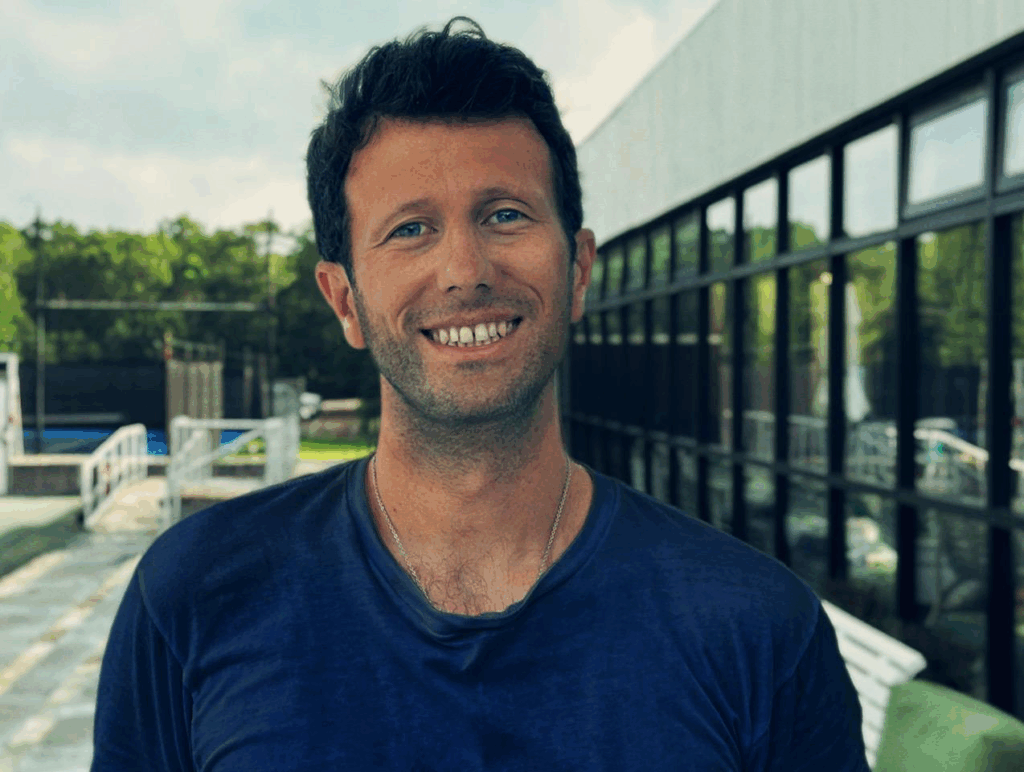 Edoardo Tessaro is a tennis coach at the Ross School Tennis Center. Born and raised in Italy, he competed internationally before attending Virginia Tech where he helped lead the Hokies to their best ranking in program history. He graduated in 2016 with an MS in nutrition and exercise, and then played on the professional tour. He previously worked as a sparring partner for top 600 WTA Italian player Martina Colmegna, as well as coaching many top junior players there.
 Evan Vrsajiko is the Co-Director of the Junior Tennis program at Roosevelt Island Racquet Club. He played Division I tennis for St. Francis College and has served as a US Open hitting partner. Before joining RIRC, he worked with Patrick McEnroe at the USTA Player Development Program at the Billie Jean King National Tennis Center from 2013 to 2015 and later served as Junior Director at Cunningham Tennis. A USPTA P1-certified professional, Evan specializes in high-performance player development. Known for his infectious energy and dynamic coaching style, he brings out the best in every player he works with.
 Dejan Vukojicic, a Senior Associate Director at SPORTIME RI & JMTA, holds a bachelor’s degree in sport and coaching from the College of Sport, Nikola Tesla, Belgrade. He served as the Serbian Tennis Federation’s National Tennis Coach for U12 and Director of its Tennis Junior program. As Miomir Kecmanovic’s coach, he propelled him to #1 in Europe in Under 14s and twice won the Orange Bowl. Dejan also served on the Serbian Tennis Federation’s Coaching Board and Development Committee before joining the SPORTIME/JMTA team in 2022.
Mental health is an important topic that has been brought to the forefront of athletics recently. How do you engage your players on their mental well-being, both on and off the court?
De Lucas: Every day I start practice by asking the kids how their day has been. I pay close attention to their behavior and self-talk, especially during competition, because it reveals a lot about their confidence and emotional management. Outside of practice, I make time for one-on-one conversations weekly or biweekly to check in and make sure they’re doing alright both as players and as individuals.
Ingersole: Tennis is a game involving physics, geometry and psychology. Every student is different in many ways so the first thing I do is to listen to them. That’s essential to helping them create appropriate, meaningful goals and gameplans. To enable them to get focused and re-focus when necessary, I teach my students to utilize rituals, visualization and breathing techniques tailored to their specific likes, dislikes and needs. I stress that these tools can also be used off court when they are anxious or listless to help them get back on track.
Kaplan: As a coach, I first recognize that while I can have a powerful impact on my student’s mental and emotional well being, I’m not a mental health professional and I must stay in my lane. As a result of this understanding, I stay grounded in assessing my students’ behaviors. So, I teach and reinforce positive behaviors like confident posture, movement patterns and racket management as well as positive gestures, self talk and interactions. Performance is not always fully controllable, but accountability to non-performance behaviors is not only attainable, but a priority for peak performance.
Tessaro: Supporting our players’ mental well-being is woven into everything we do, both on and off the court. Coaches check in regularly with athletes about how they’re feeling, balancing school and sport, and navigating the pressures that can come with competition. During training, we teach mental skills alongside physical ones: focus, composure, resilience, and reflection. Players learn strategies such as goal setting, visualization, and positive self-talk to strengthen their confidence and emotional awareness. After matches, we encourage reflection and growth over perfection, helping students turn their experience into a learning opportunity.
Gamesmanship and cheating are always controversial topics at the junior level. How do we begin to try and eliminate those sorts of things from the game?
De Lucas: Kids who cheat often show signs of that behavior in practice, so it’s important for coaches to set clear boundaries and enforce consequences. Educating parents is also key; if they see their child cheating, they should address it immediately, even if it means stopping the match. Experiencing the consequence of having to retire from a match for that reason can be a powerful lesson that shapes better behavior moving forward.
Evans: I’m not sure the complete elimination or gamesmanship and cheating is possible, but working towards eradicating these two is definitely a national tennis community goal. In recent years, the most powerful tools have come in the form of electronic line calling and parental education. Utilizing Play Replay for electronic line calling here at the National Tennis Center was launched in last November’s Boys 12s Indoor Nationals. This was the first event in my career where zero line judges were requested, and the future lies in tools that promote coaches training players and support competitive integrity.
Nikolovski: There are two ways to keep “attacking this issue: Coaches, Referees, and Parents have to keep finding ways to reward appropriate behavior on the court, while also sanctioning players that cheat and regularly twist gamesmanship in their favor. The second is use of technology for electronic line calling is becoming more and more accessible and affordable, and eventually it will get to the point where every tournament court will have it, which means similar to the pro tour today there will not be much to argue about.
What is the current state of tennis in the Metro area? How do we continue growing and improving?
Chopra: Tennis in our area is in a great position as the sport continues to grow year-over-year, but we have to constantly find ways to maintain the love for the sport for our athletes and help turn the training process intrinsic for them and that’s where the maximum output from a tennis player comes from.
Vrsajiko: Tennis is booming in NYC. There’s a big demand for it and the courts are full wherever you go. Having good coaches that work together is a key element to consistency and growth. The goal is to develop well rounded athletes. For example, for a kid, it teaches discipline, problem solving and can create a pathway for college scholarships. If tennis was more cost friendly it would reach an even wider demographic. And from a recreational perspective, it’s an exercise sport that you could play all the way into your 80s which also helps with the longevity of the sport.
Vukojicic: Tennis in New York is full of energy, passion, and talent — and it has a bright future. The city inspires young players like few others, with world-class facilities and a strong coaching culture. To keep improving, we need to focus on coach education, individualized training, and consistency in long-term player development.
Where do you stand on players overly celebrating points/being animated and showing emotions during matches?
Choudhury: I think showing emotion is part of what makes tennis exciting and relatable. As long as it’s done respectfully and doesn’t cross into disrespect or gamesmanship, passion on court adds energy and connects players to fans. The sport is evolving, and emotion—when channeled the right way—can actually elevate the level of competition.
Moralejo: I actually like seeing players show emotion. It brings energy to the game and shows how much they care. Tennis can be such a mental battle, and sometimes that release helps you stay fired up. That said, there’s a line between passion and disrespect. Celebrating a big point is fine, but if it becomes about showing up your opponent, it takes away from the spirit of the sport. The best players I’ve seen use emotion to lift themselves, not to tear the other person down.
What do you find most rewarding about being a tennis coach?
Bednarzh: The development of future prospects is the most important thing for me. It’s a reflection of my efforts; I want to serve my students the best possible service so that they can walk away with something impactful and useful.
Ingersole: I find it truly rewarding to build meaningful, authentic communication with my students. It’s a great feeling knowing I have made real improvements in my student’s lives that extend far beyond the tennis court. My students vary widely, encompassing national level juniors, seniors competing internationally as well as people with autism, dementia, Parkinson’s and mobility challenges. All these things affect their lives day to day so I try to show them how to use what I teach them to make their lives easier and more satisfying.
Krass: I find that being a tennis coach has allowed me to feel proud of my positive impact on the players and coaches who attend my camps. Teaching players good values about being a good person first has been rewarding. Teaching players the technical, strategical and mental details, for match improvement, with enthusiasm and intensity, has been my style and I think this style has influenced players and coaches alike. My coaching has given me a higher sense of purpose and energy to players and coaches.
Lewit: What I find most rewarding about being a tennis coach is watching my players grow and seeing the results of their hard work. I love witnessing their steady improvement and the pride they feel when their effort pays off. Working with children brings me so much joy — their energy, sense of humor, curiosity, and excitement make every practice session special. Tennis has always been a huge part of my life, and sharing that passion with others is deeply fulfilling. My happiest and most meaningful moments are always spent around the tennis court.
Nikolovski: When a player gets that twinkle in their eye where I can notice that they have felt something on the court that they have not felt before. The only other thing that comes close to this is seeing a former student/player reaching out, or simply telling you how much of a positive impact you have had on their life, both on and off the court.
Senkevich: For me as a player, winning matches gave me a feeling of euphoria, and I found it very enjoyable. So when my students win, I’m very happy for them that they can have that kind of experience.
What advice would you give a former player who has desires to go into coaching?
Chopra: Put your player hat down and put on a coaching hat. Don’t base your coaching on the experience of your playing career only. Keep evolving and become a great coach by becoming a great learner.
Evans: Jump in…the water is warm! All of us in the tennis industry are former players. Whether high school, college, or professional all of our stories began being fed balls and evolved into us feeding balls. The most important aspect of developing as a tennis coach begins with embracing mentors. Mentors that view tennis courts as their office, role models who exhibit leadership, and organizations such as USTA Coaching will give new coaches a foundation to succeed while learning the art of coaching.
Moralejo: The first thing I would say is: coaching is a completely different challenge from playing. You might’ve been a great player, but coaching is about helping someone else find their best version, not turning them into a copy of you. Be patient, listen a lot, and keep learning. Watch good coaches work, take courses, ask questions. And remember, players don’t just need technical tips, they need support, belief, and guidance, especially when things aren’t going well. That’s where a good coach really makes a difference
Do you see any trends in technique used by the top players that you now use in your teaching? Or any tendencies from today’s stars that you see junior players using?
Nikolovski: Players today hit much more through the ball than ever before, and the game at the pro level has really shifted much more toward pure power of the ground. On a tactical level using the first shot after serve or return to create advantage in the game is something that more juniors are starting to use, so Serve + 1, and Return + 1 has become a must as part of the daily/weekly practice routine.
Tessaro: The modern game demands explosive lower-body strength, balance, and quick recovery, so we emphasize building that athletic foundation from the start. Players learn to move with purpose, stay centered through each shot, and transition seamlessly between points. One of the biggest technical shifts we’ve incorporated is in forehand preparation because today’s players tend to favor a more compact swing and semi-open stance, with earlier racquet preparation and shorter takebacks.
Vrsajiko: I’ve noticed some changes with the forehand technique. It starts with your racket and elbow up higher and then dropping it to get more shape on the ball. By starting higher with the racket you’re able to drive the ball through the court easier. I’ll say overall the biggest change is the physicality of the sport. It’s much more explosive.
Vukojicic: Yes. Today’s top players rely more on fluid movement, explosive leg drive, and efficient use of body rotation to generate power. The modern game is about rhythm, timing, and dynamic balance. I integrate these elements through differential learning and a constraints-led approach, helping juniors develop adaptable and athletic stroke patterns.
The U.S. Open raised ticket prices across the board this year, but also saw a record number of people attend the event. What do you think this indicates about tennis’ standing comparatively to other sports?
Choudhury: It shows that tennis is growing in cultural relevance and fan engagement. People aren’t just watching for the sport—they’re drawn to the atmosphere, the personalities, and the overall experience. Tennis is positioning itself closer to mainstream entertainment, which is a positive sign for its long-term growth and marketability.
Would junior tennis benefit from having more team events and tournaments like other sports? Do you think the isolation/individualism of tennis can deter young players from playing?
Bednarzh: The sport being individual plays absolutely zero factor as a deterrent. It’s the nature of the sport. Chess is a sport and game that has existed since time immemorial, yet children and adults are driven to play it to this very day.
De Lucas: At Cary Leeds, we host Sunday Match Play for our Green Ball and High Performance players, and they constantly ask to play doubles. It’s clear they love the social and collaborative side of the game. Building that sense of community makes the sport more fun and engaging, so I’d love to see more team and doubles events, especially for 10U players.
Ingersole: Encouraging team play in tennis has been a very high priority for me. I helped create and run the first Zone Team Championships or Zonals. This is a regional team event where junior players represent their home section and compete against teams from other nearby sections. Recently, I’ve championed the creation of National Dominant Duo events. I’m also a big supporter of “No Cut” high school tennis teams.
Senkevich: Team events in tennis is a good idea for younger players, but it shouldn’t take away from the main tennis philosophy: its an individual sport ,and you have to embrace the “isolation”. Unlike team sports, tennis builds character and strengthens the will in a different way because you take all the credit for winning and all the responsibility for losing matches.
There has been a surge in popularity of other racquet sports in recent years. What are the pros and cons of how this affects tennis?
Bednarzh: I don’t think it has any impact on the sport. This sport generates roughly 30 billion a year, the closest racquet sport is badminton that generates roughly 3 billion. Tennis has existed since 1867 and has grown and evolved in time. It’s only becoming more popular.
Chopra: The only downside I see here is the infrastructure being taken away from tennis to facilitate these other racket sports instead of providing them their own. Tennis is and will remain the royalty amongst the racket sports. The tennis community should remember the glamour which the sport of Tennis holds and that it can’t be matched by any other racket sports. It is the world’s healthiest sport and its attraction is unparalleled and that is what should be promoted instead of worrying about any other racket sports.
Choudhury: The surge in pickleball and padel shows a broader interest in racquet sports, which is ultimately good for tennis. It gets more people active and familiar with similar skills. The challenge is ensuring tennis continues to innovate and stay accessible, especially for new players. But overall, it creates more opportunities to introduce people to the game we love.
Krass: The recent surge in racquet sports has been noticeable and certainly a good thing. Whether these racquet sports have a positive or negative impact on tennis is highly debatable. Are there more tennis players converting to playing other racquet sports and Vice-Versa? I do not have the data on this, but sure would like to.
What fundamental beliefs about tennis technique have you questioned or changed over time?
Chopra: I have noted that the technique taught at the introductory stages of the game is pretty outdated and believe it’s time for a revolution. Core rotation is a concept that needs to be incorporated at a young age thanks to the lighter, smaller rackets and low bouncing, less pressure tennis balls which should be empowering for the coaches to teach with more technical precision.
De Lucas: When I first started coaching, I tried to teach every player the same form. Over time, I realized that adaptability is essential. Each player has unique strengths and movement patterns. Even top players evolve technically; for instance, in 2024, Iga Świątek modified her serve take-back. It’s a reminder that while there are universal principles, effective technique always allows room for individual variation.
Kaplan: Coaches should always be willing to adapt and learn more, and one example of this in my experience is the language we use. It’s often imprecise and potentially misleading. Do we really “step into the ball” or “towards the ball? Are we really “late” when we hit or “mechanically disadvantaged”? Should we cue, ‘bending our knees’ or “hinging our hips”? Words matter. Check out my article in this edition for more beliefs that have changed over time.”
Lewit: In the past, players were taught to stay grounded on most shots, but the modern game has evolved to include more explosive, aerial movements and players now frequently lift off the ground to generate greater power and spin. I’ve come to appreciate how athleticism and dynamic footwork have reshaped stroke production. The lasso-type finish is a forehand technique evolution that has also been a dramatic change. Another major shift in my thinking involves the Western grip. It was once discouraged and seen as unconventional, but now several of the top male and female players use it successfully.
Who do you look at on the pro tour currently as a role model for your students? Why?
Bednarzh: Any of the top 10 players are an example of excellence, however the top 100 are a standard to look up to. Whoever is doing well is a great example for tennis. I’ve used players from 30 years ago like Sampras, to the Sinners and Alcaraz’s of today.
Nikolovski: Sinner and Alcaraz have really risen to the top of this current generation, and I love it that they are both different in some of their approaches to the game. On one side, Sinner seems to have almost a perfect attitude on the court, where there are no major emotional ups and downs in his game, while also he is relentless and fearless in his approach to every point regardless of the score….simply a coach’s dream. On the other side Alcaraz is the ultimate baller with endless talent, and desire to compete with a smile on his face.
Senkevich: To me it’s Carlos Alcaraz, who inherited some brilliance from all the Big Three: Roger, Rafa, and Novak.
Vrsajiko: Believe it or not, as a coach we tend to watch less tennis because we are on court so much …but I have to say Carlos Alvarez because that’s the name you hear the most with the kids and that’s amazing. He is someone young, impressive and a good role model for the kids. He’s exciting to watch and that’s amazing for the sport. The new generation needs to be excited to watch someone. I also have to mention Novak because he’s more of my generation and is still playing exceptionally well.
When and how do you know if a young player is ready to begin competing in tournaments?
Kaplan: If success in a tournament is the goal, most players are rarely ready to compete. If the goal is to learn, challenge and guide from the tournament experience, most players are ready to compete. Competitive people always compete. Tournaments are nothing more than the formalization of that competitive experience.
Moralejo: I think a young player is ready to start competing when they can rally consistently, keep score, and most importantly, want to play tournaments. If they’re asking to compete and they’re excited rather than nervous, that’s a great sign. It’s also about maturity, and being able to handle both wins and losses without falling apart. The first few tournaments shouldn’t be about results, just about learning how competition feels and having fun with it. Once they start enjoying the process, everything else follows.
Tessaro: Players should demonstrate consistent fundamentals, an understanding of match play, and the ability to apply what they’ve learned under pressure. Equally important is emotional readiness. We look for curiosity and excitement about competition, as well as the ability to handle wins and losses with perspective. Every decision is made collaboratively, with input from the player, their family, and their coach, to ensure the experience is positive and aligned with their development.
Vukojicic: When they can stay composed, think tactically, and handle mistakes. It’s not about perfect strokes, but about applying skills under pressure. Competition should be seen as part of the learning process — not as a test of perfection.
What is one thing that providers, organizations, coaches etc. can do to continue growing tennis and moving the sport forward?
Evans: Connect and collaborate with one another. Successful tennis growth starts with our community. Similar to a tennis match, we need competitors who thrive to breed growth. From small scale tennis tournaments to large scale community events, hosting and supporting should be the focus of each facility, which is what we do at the National Tennis Center.
Vrsajiko: First impressions matter, and having a positive experience will keep them coming back. Their interest in the sport grows and they will continue playing. Another thing we as coaches can do is educate parents and guide them through their kid’s tennis trajectory. This can be from high school tennis all the way to level 7 tournaments to national tournaments. When parents and the kids see a short-term goal and a long-term goal, there’s a deeper connection with the sport and a longer commitment. This focused and dedicated approach helps to create a partnership. Parents then send referrals due to their positive experiences.
What’s a misconception about the college recruiting process that players should know?
Ingersole: Over the years I’ve met many players and their families who think that it’s enough to win matches and get a good ranking for college recruiters to beat a path to their door. Unless a player has a top national ranking, this could not be further from the truth. In order to help the majority of players understand the recruiting process and get seen by college coaches, I created College Showcase Day. This program has helped thousands of players find the right school for their goals and abilities. In addition, many players also land scholarships.
Kaplan: Coaches are likely more experienced at negotiating sales than students are. Ask questions, and Caveat Emptor.
Krass: A common misconception in the recruiting process is that you can walk-on to many different teams throughout the country. Nowadays, with the heavy influx of international players and roster limits, a player must become a “recruited walk-on” or be a recruited player the coach knows. A player needs to have been approved by the head coach if he or she can play on the team.
Lewit: A big misconception about the college recruiting process is that it doesn’t take an incredible amount of work to play college tennis. The truth is that top Division I players are often competing at near-professional levels, with rankings between 300 and 1000 on the ATP Tour. To reach that standard, players must train with the same discipline, consistency, and intensity as aspiring pros. Even at Division III schools, a very high UTR is usually required to compete, so it still demands serious commitment and focus.
Vukojicic: That only rankings or results matter. College coaches care just as much about attitude, discipline, and academics. The goal isn’t just to get a scholarship — it’s to find the right environment where the player can keep growing on and off the court.