2026 Junior Tennis Roundtable

There is often a lot of discussion between coaches, parents and experts when it comes to junior and high school tennis. New York Tennis Magazine brought together junior tennis players themselves to find out how they feel and their thoughts on tennis.
Meet the participants…
Meet the participants…
Will Bohner
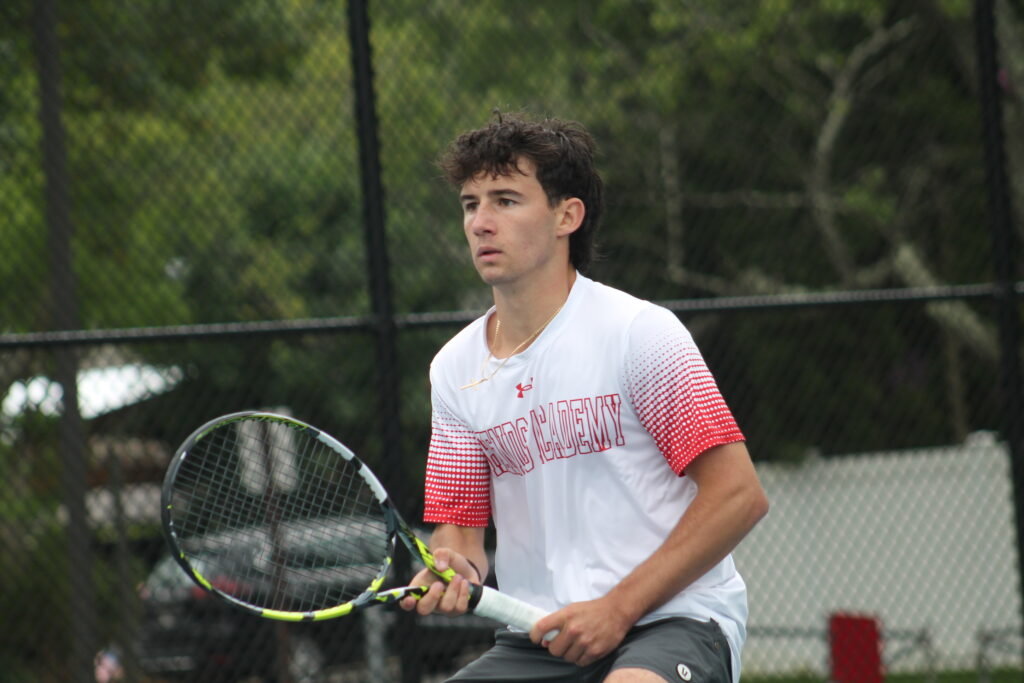
Jagger Cohen
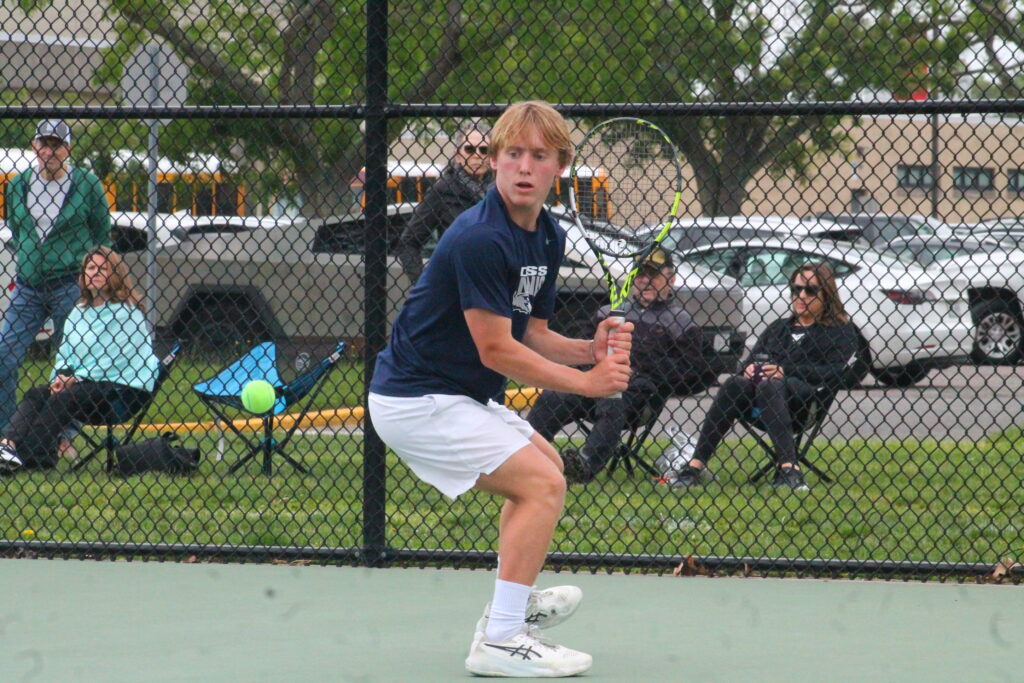
Aya Deckman
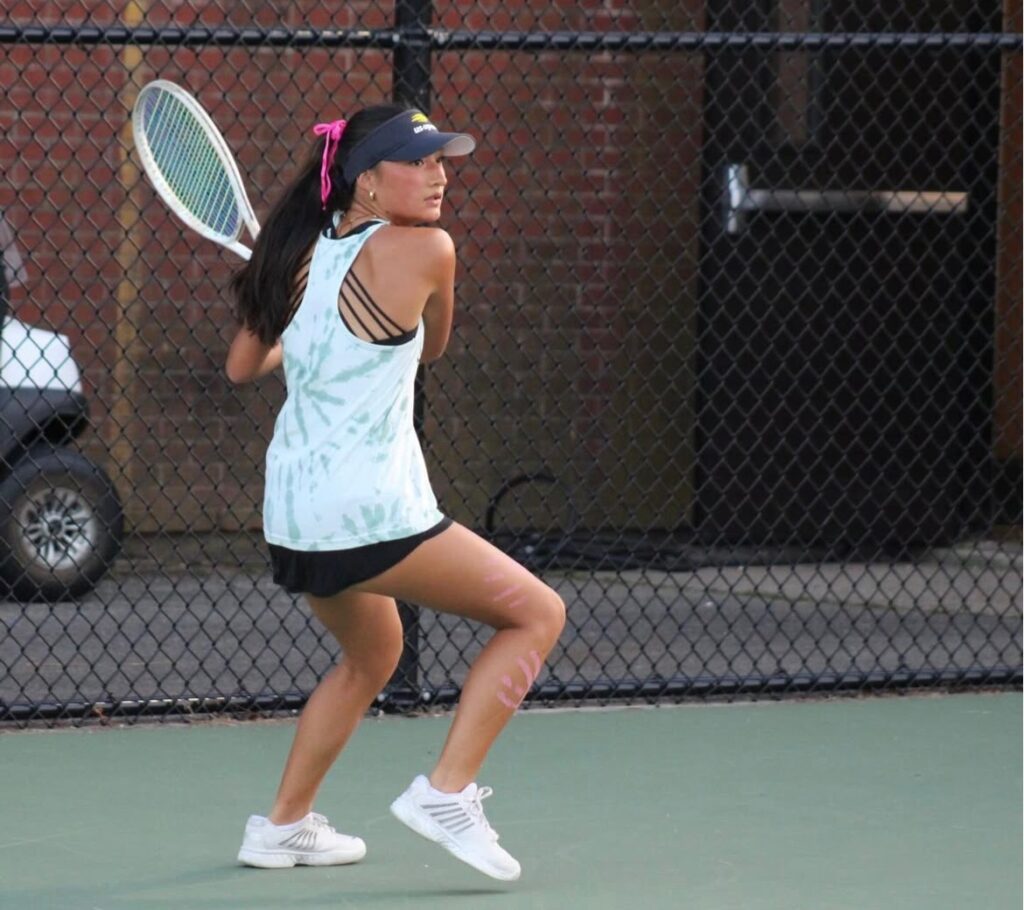
Jenna Famolari

Olivia Lippman
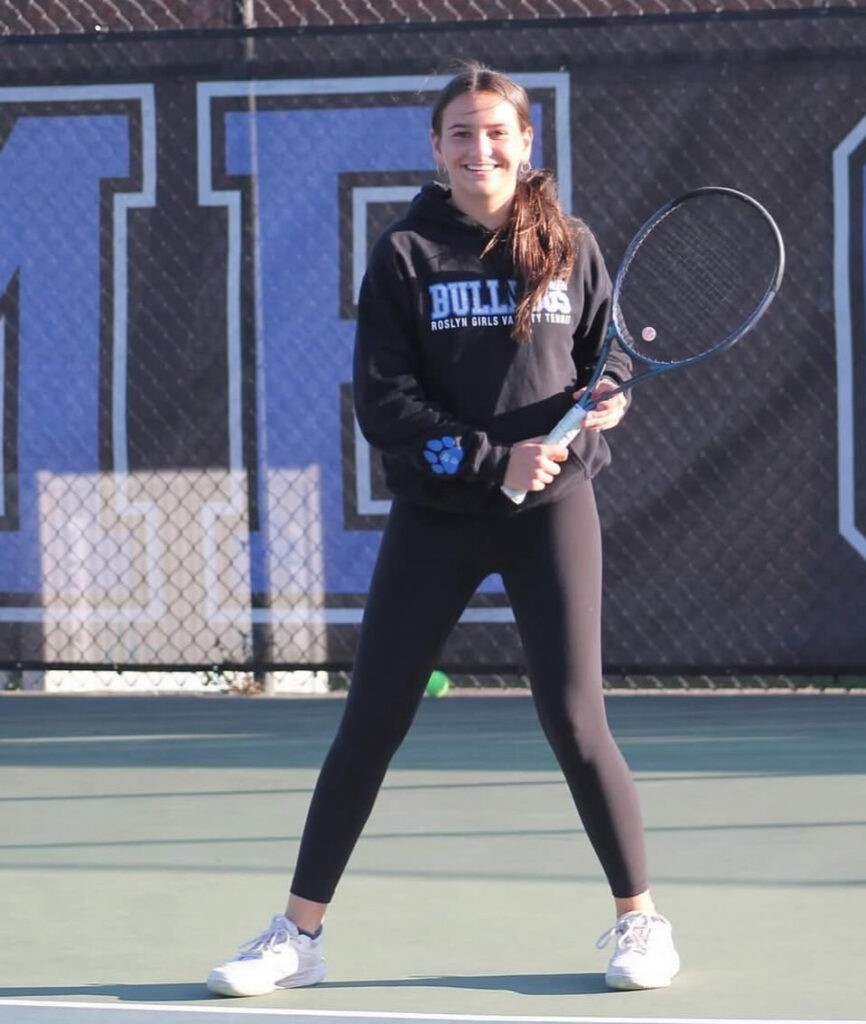
Evie Loewy
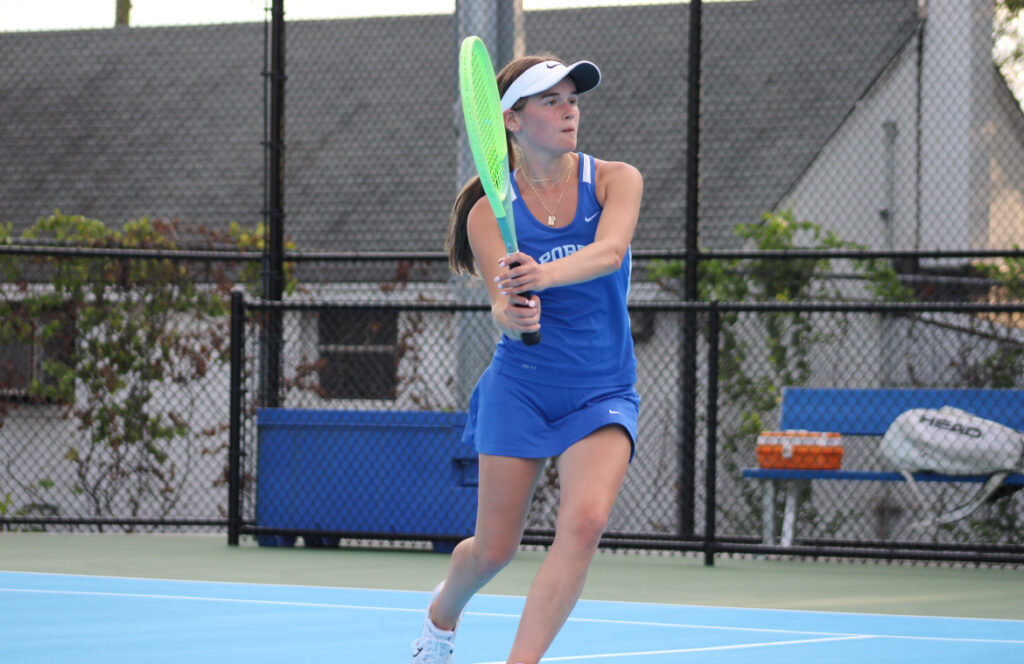
Julian Ostrow
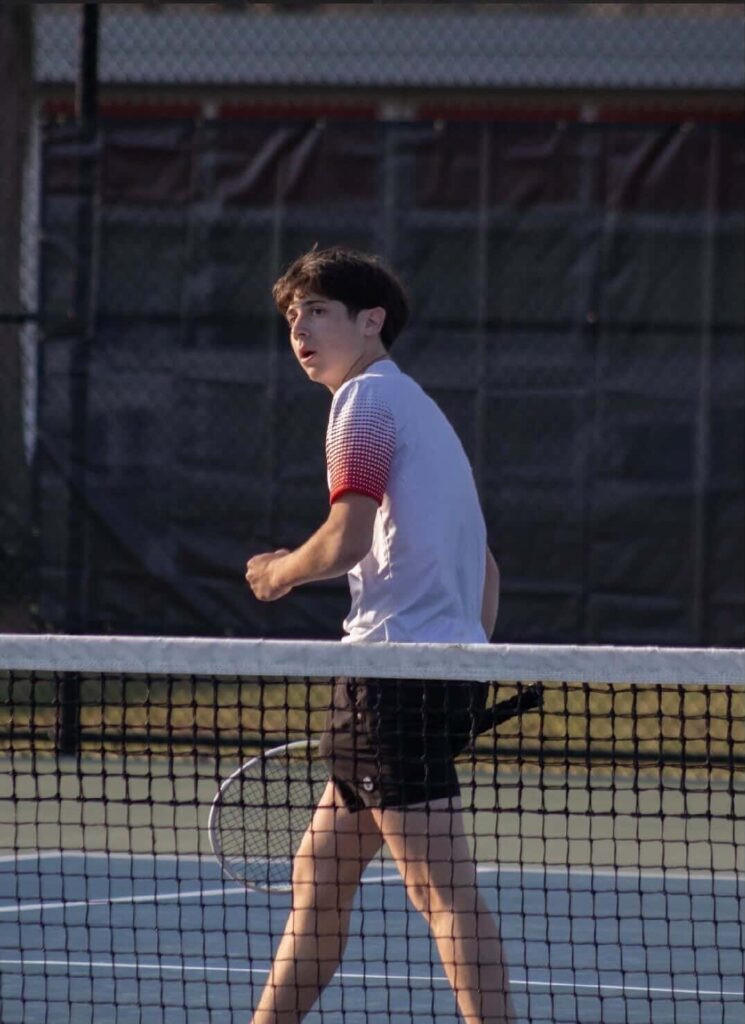
Nikhil Shah

Tommy Walsh
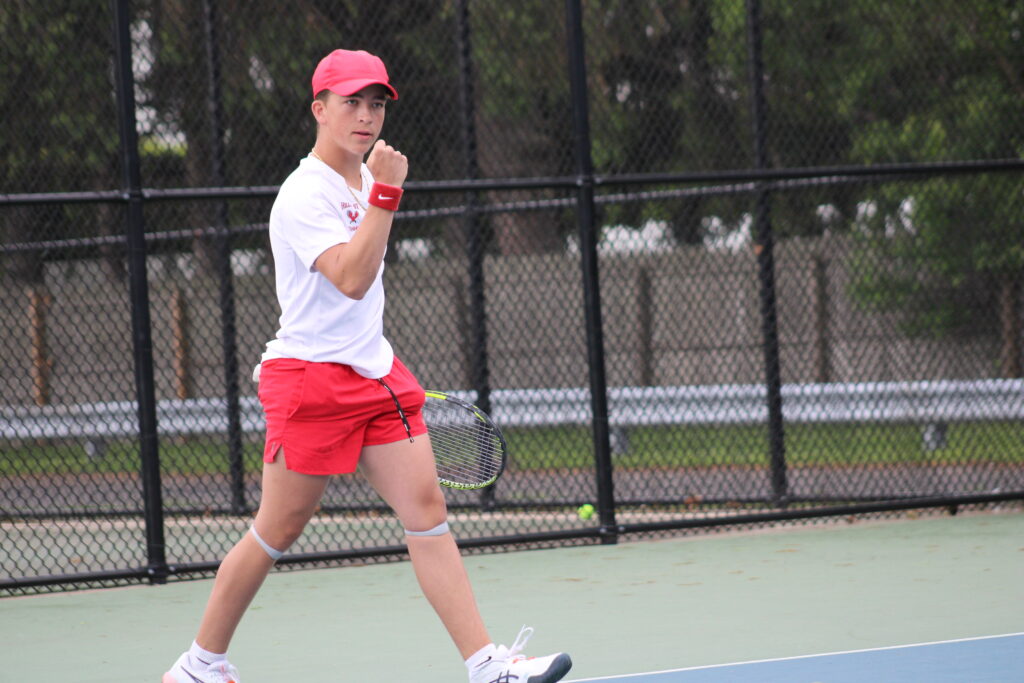
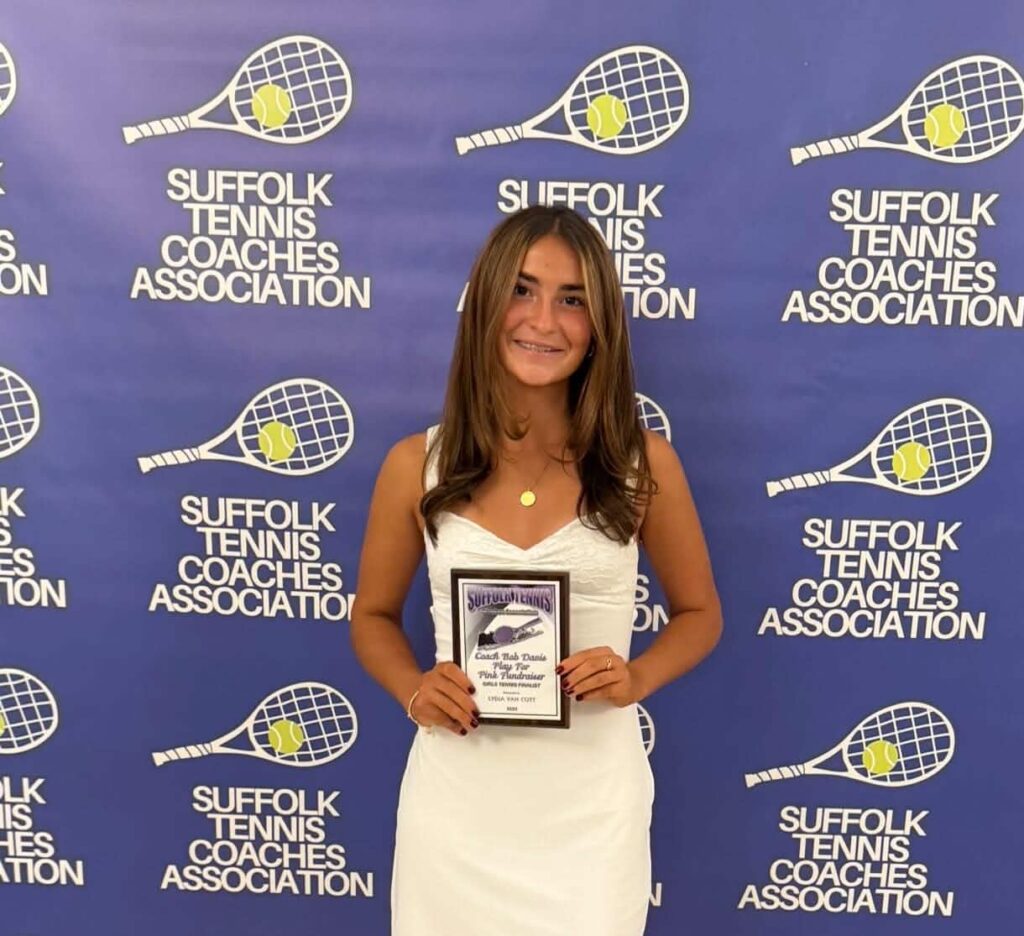
Lydia Van Cott
Diya Varma
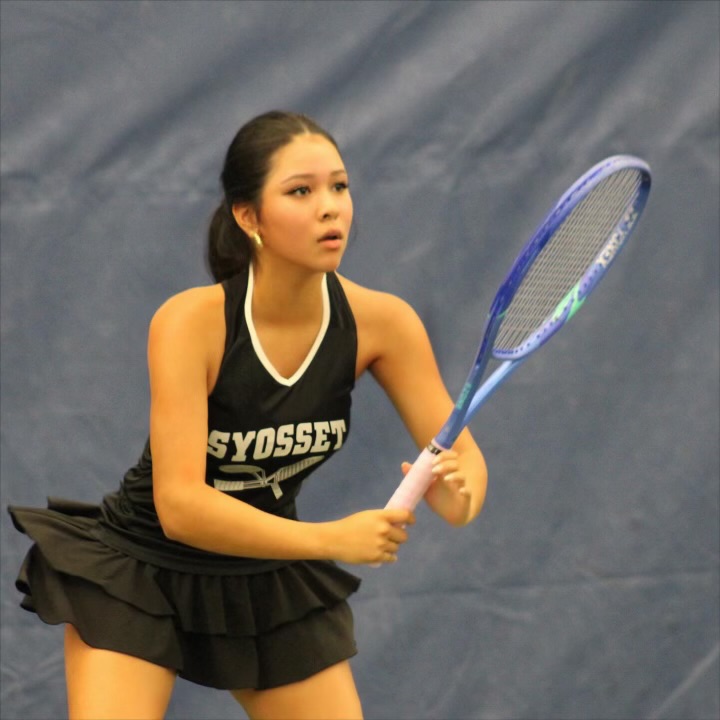
Leo Villecreses

What do you enjoy most about playing high school tennis?
Famolari: The team aspect. With tennis being an individual sport, it’s always so rewarding to have a team to turn to, knowing they have my back. Having a team brings everyone together to support each other during matches, no matter the outcome.
Varma: Honestly, it’s the team aspect. Tennis is usually individual, but high school tennis gives us the chance to compete for something bigger than ourselves and represent our school together and even just being in a positive competitive environment.
Villecreses: I enjoy playing high school tennis because it’s fun to play with a team and have teammates, and we get to play a lot of matches.
Walsh: Being part of a team. For most of my life, tennis was something I did on my own, so being on a school team gave me a completely different experience. It gave me a sense of family and made the sport feel more connected and supportive. I really enjoyed being surrounded by a great group of people I could relate to.
What are some of the challenges of competing for your high school team while balancing other obligations i.e. private training/tournaments, school work, social life, etc.?
Deckman: Scheduling conflicts is a challenge, but being on the team helped me manage my time well and overall just brought such an amazing experience and just taught me valuable lessons. I always try to make time for work and friends so it always ends up working out.
Loewy: Without a doubt, time is the biggest challenge. There simply isn’t enough of it. Our matches can run long, and at home matches we’re short two courts, which makes those days especially tough. During the season, everything else tends to take a back seat, and it can be hard to keep up with schoolwork and other commitments. But as a team, we rely on each other and do our best to lift each other up.
Ostrow: One of the biggest challenges is managing time between schoolwork, team practices, and individual tournaments. It can be tough to stay on top of academics while also committing to training and matches. Social life often takes a backseat during the season as well.
Shah: I think the main challenge is being able to organize my time and communicate effectively with peers and adults in other activities that I’m involved in. For example, it’s sometimes difficult to compete in academic tournaments while making high school tennis practice and still being able to hangout with friends. However, in my experience, these challenges are always resolvable if I communicate with everyone involved.
Do you play other sports? If so, what sports and how do you feel it helps improve your tennis game?
Lippman: Another sport I play is lacrosse. Playing lacrosse has helped me to work better with a team and has helped me to understand that a missed shot or a bad pass isn’t the end of the game its a chance to reflect and improve. I have been able to bring these skills over to tennis by being able to communicate with my doubles partner better and not letting a double fault or two ruin the rest of my match.
Loewy: I’ve always played a variety of sports, including basketball, soccer, and flag football. They’ve definitely helped my tennis game by improving my footwork, speed, agility, endurance, and overall court awareness. After this past season, and dealing with some nagging injuries, I decided to take a break from other high school sports. But I strongly believe that playing multiple sports helps build better athletes.
Shah: I don’t play any other sports competitively. However, I play sports like basketball and spikeball recreationally with my friends. I also run in the off season. These activities simply help me stay conditioned for tennis season.
Walsh: I do not play any other sports competitively, but I do enjoy playing different sports for fun with my friends. I also like going to the gym, which helps me stay in shape and build strength. Playing for fun and staying active helps with my movement, coordination, and overall athleticism. I think those things can definitely help me on the tennis court.
How much time do you dedicate to fitness and conditioning?
Bohner: I dedicate about three days a week, for about an hour a day, more or less depending on my tournament schedule.
Deckman: Around 4-5 times a week when I can.
Famolari: Fitness and conditioning are so important for my game, both for physical and mental toughness and strength. I dedicate a significant amount of time each week to fitness and conditioning, both during the season and in the offseason. I try to go on runs 3-4 times a week during the offseason, it helps me get my cardio in when I’m not playing tennis. Strength training is just as important to me, I go to the gym pretty much every other day after school and weekends. Improving my fitness has helped improve my tennis game so much for the physical and mental aspects.
Ostrow: I usually dedicate a few days each week specifically to fitness, including strength training, agility, and endurance work. During the season, it’s more integrated into practice, but I still try to stay consistent. Overall, it’s an important part of improving performance and preventing injuries.
What is one thing you wish parents/coaches understood better about you and your tennis experience?
Shah: I think my parents and coaches understand this well already, but I’d just like to emphasize that so many of the benefits of my tennis experience have come from playing on a team. While I love the sport, the team aspect of tennis has contributed the most to my growth.
Van Cott: One thing I wish my parents and coaches knew about me in tennis is that no matter how upset or mad I might look during matches their support and cheers still mean everything and help me so much during a match even if it doesn’t always seem like it! Big cheers and celebrations definitely help me pick up my mood and stay more intense in a match which is exactly what I need when I feel down.
Varma: I think one thing is that most of us already put a lot of pressure on ourselves. We care a lot about how we play and improving, so what helps the most is support and trust, especially during tough matches. That’s when it really makes a difference.
Walsh: One thing I wish parents and coaches understood better is that tennis can be very mentally demanding, especially for someone who has mostly played individually. A lot of pressure comes with the sport, and sometimes people only focus on results instead of everything that goes into competing. I think it is important to understand that players are always learning, adjusting, and trying to improve. Support and encouragement can make a big difference in that experience.
Having the U.S. Open in our backyard is such a unique part of our community. How do you take advantage of having the Open so close to here?
Famolari: It’s an incredible opportunity that not many people get to experience. I take advantage of this by going to the US Open in person. I take the train straight into the city and make a day out of it with my friends. Being able to watch these athletes so close to home is such a great privilege.
Ostrow: Having the U.S. Open nearby is a great opportunity to watch high-level tennis and learn from the best players in the world. It’s really motivating to see that level of competition up close. It also gives me a better sense of what it takes to compete at the next level.
Villecreses: I like to go watch the U.S. Open Fan Week to be able to see a lot of players and even meet them.
Do you feel you will continue with tennis after high school? In college or thereafter, what does your tennis future look like?
Cohen: Right now, the focus is on the team and putting the work in this season. That said, I’ll keep competing after the spring, tennis is something I enjoy too much to step away from. At Ross, you’re encouraged to pursue what you love at a high level while keeping it in balance, so for me it’s about continuing to compete, keep improving, and enjoy the process.
Deckman: I think I’d want to play club tennis when I am in college. I love the sport and do wish to continue in the future.
Varma: Yeah for sure. I don’t see myself ever fully stepping away from tennis. Whether it’s competitive or just playing in college for fun, i truly enjoy the sport so I know I’ll stay involved in some way.
Villecreses: I’m going to keep playing tennis beyond high school. I would love to play in college and hopefully can continue playing afterwards also.
Long Island Tennis Magazine provides season-long coverage of the high school season including written recaps, photos, etc. How much does this enhance the high school and junior tennis experience for you and your peers?
Deckman: I love the season-long coverage. It makes me so happy when I see my school in the magazine and it’s just an overall positive experience!
Loewy: Long Island Tennis Magazine makes every season feel special. When the photographers show up on my court, I get that nervous excitement that motivates me even more. They always capture the emotion, and it allows us to relive matches off the court. It also helps us stay connected to tennis across the county. We may be rivals, but at the end of the day, we’re one big tennis family.
Shah: Long Island Tennis Magazine always adds a great dimension to the high school season. For players, being interviewed on court and having pictures published in the magazine is really motivating. LI Tennis Magazine also helps build energy and excitement before and during the season. I know all of the guys on my team love when LI Tennis Magazine pulls up to our matches!
Do you think more top players should play high school tennis? Why or why not?
Ostrow: Yes, I do think more top players should play high school tennis because of the amazing opportunity that it gives them. With a chance to compete for their school and in state tournaments, it is a unique opportunity that all top players should utilize.
Varma: Yeah, I do. I think high school tennis gives you something different that you don’t really get from tournaments. You get to be part of a team, represent your school, and just enjoy the sport in a different way. It’s a really valuable experience.
Walsh: I definitely believe that more top players should get involved in high school tennis. Growing up, tennis often felt like an individual sport where you were mostly on your own, so being part of a high school team adds a new and exciting side to it. I think it would be fun for top players to compete alongside each other in a team environment. It would also give players who have never tried high school tennis the chance to be part of something different and meaningful.
What’s something you will remember about your high school tennis career?
Famolari: Something I will remember about my high school tennis career is the amazing accomplishments my team and I have made. By winning All League 3x, winning All State 2x, and being State Finalists last year, we have truly shown up and given it our all. All of our hard work paid off in the end and I am so grateful to have such an amazing team of such talented and hard-working girls.
Loewy: I will always remember the anticipation of having my name, grade and court number called, then walking out with my opponent having no idea what the match would bring. Of course I remember the wins, especially our big county win over Syosset in 2022, along with the unexpected losses. But most of all, I’ll remember my coach and teammates, who became a true family to me.
Villecreses: One thing I’ll remember about high school tennis is meeting a lot of great people, and I have had so much fun playing with my teammates.
What qualities make a good junior tennis coach?
Bohner: A really underrated quality is being able to work with different people, everyone has different needs and levels. If you can help anyone get better that makes you a good coach.
Cohen: I’ve had a few coaches, and perspective is what separates the good from the great. Tennis is such a mental game, and success occurs when we develop the whole player, not just strokes, but mindset. The best coaches create an environment where players feel comfortable competing, not just drilling. They help you think, adapt, and trust yourself under pressure.
Lippman: A good tennis coach knows how to read the players/team’s energy and is able to act accordingly. If the player/team is upset they can lighten the moon and provide constructive criticism while still remaining positive.
Van Cott: I think a good junior tennis coach knows how to balance being fun while also pushing you. I feel like for a lot of players and especially for me having a coach that you feel comfortable making mistakes with and not always being perfect is the best type of coach. But knowing how to still be tough and hard at times is also the push I need to really work hard.
What do you struggle with mentally during matches, and how do you handle losses?
Bohner: I struggle with being able to re-center after losing a set or with belief I can come back. I handle losses by seeing where it went wrong and trying to replicate the good stuff I did.
Cohen: Mental struggles stem from a lack of preparation. I’ve gone into competition unprepared, and that’s when you lose mentally. Results are decided in practice; if you’re prepared, you spare the emotions and put your foot forward. Losses are tough, even worse when emotions get in the way of the win.
Lippman: I struggle with gaining back my composure. When I am not playing my best I get upset with myself and I often need to play mindfully and instead of hitting my hardest shots I need to go back to the basics and work on my form and consistency instead.
Van Cott: During matches I definitely struggle the most with confidence. I feel like I can sometimes get tight during matches, which is why I enjoy having a partner like my twin sister, Anabel, in doubles to help me loosen my nerves. I try to handle losses as best I can. Obviously, some sting more than others but I always try to look at the positives, and then practice things I didn’t do well. I also try to remind myself that a loss doesn’t define me as a player, it only holds as much power as I let it, and I move on to the next match.
What can coaches or coordinators do to improve the overall high school tennis experience?
Bohner: The high school tennis experience could be improved by making matches better scheduled. I feel like the season runs very late and if teams had indoor matches when it rained we could really make it similar to a college tennis atmosphere.
Cohen: Consistency helps, having more structured scheduling and strong match play opportunities would raise the level across the board. For instance, I liked the fixed schedules like they had three years ago, and more MNL matches to raise the competition. But overall, the experience is already really positive. At Ross especially, there’s a strong sense of team and community, and that makes every match feel like something you’re building together. The team is excited for what’s ahead.
Lippman: I feel that the high school tennis experience is very good and I really don’t think I would change anything.
Van Cott: The high school season is fun, but can get a bit stressful during the individual and playoff season. I think fun events like the Play for Pink fundraisers really remove the stress and allows us to just play. I always look forward to that event, whether I get to play with a friend or my sister Anabel, because I love doubles. It’s a laid back event where the only goal is to benefit a good cause.So I think more events like that would improve the high school tennis season!