
At The Net With Ari Roberts, USTA Eastern
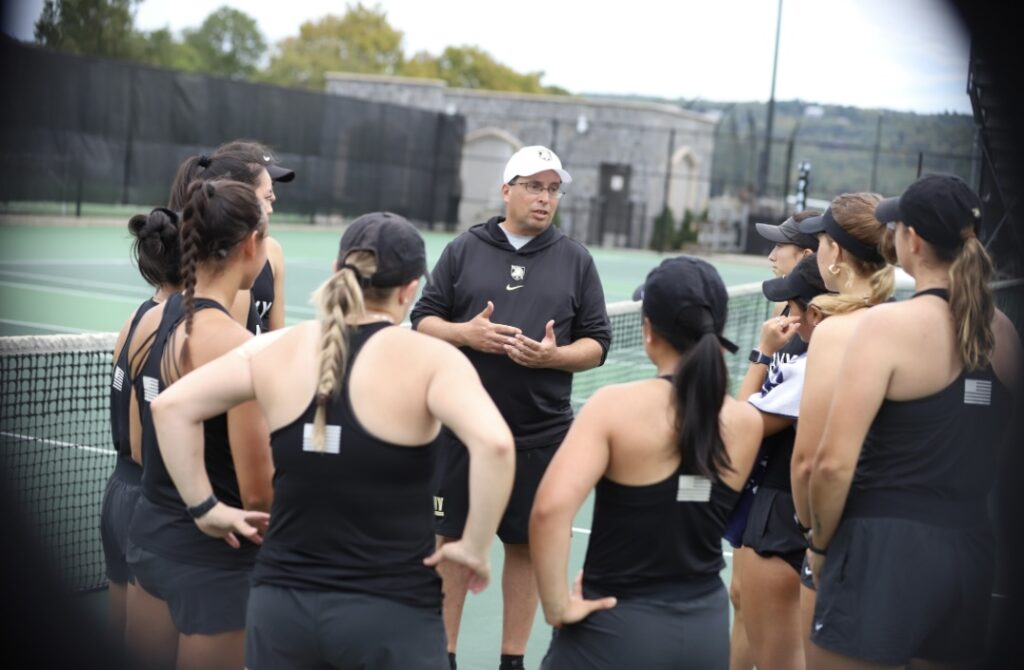
It seems like a simple approach to coaching or teaching. If you put the person first and the player second, good results tend to follow. It’s an easy thing to say, but it’s harder to do.
But for the last couple of decades, Ari Roberts has not only preached that mantra, he has lived it.
“My coaching philosophy starts with one simple idea: care about the person before the player,” says Roberts. “Coaching is a relationship business, and trust is its foundation.”
That philosophy has helped Roberts elevate to one of the most respected coaches and directors in the Eastern Section, and one who is respected not only by his players and their families, but also his peers in the industry.
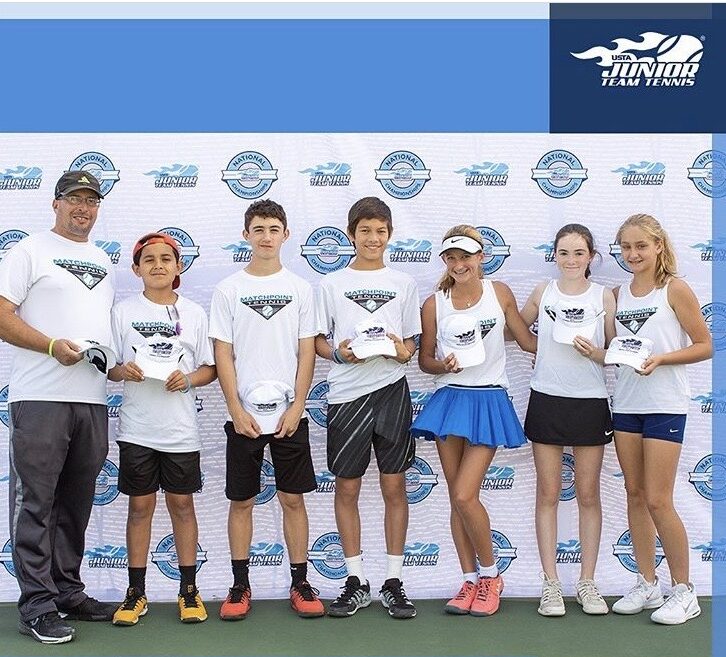
Roberts is the founder and owner of an upstate New York club, MatchPoint Tennis in Goshen, N.Y. , which opened in 2010. Over that time, Roberts and his team have overseen a large junior tennis program that includes 140 players each week.
At the annual USTA Eastern Tennis Conference earlier this year, Roberts was named the President of USTA Eastern’s Board of Directors, and will serve in that position for 2025 and 2026.
“Today, I’m the owner of MatchPoint Tennis, the Assistant Coach for Army Women’s Tennis, and the President of USTA Eastern. I work seven days a week, but I never complain,” Roberts says. “Because every day, I get to do something I love.” 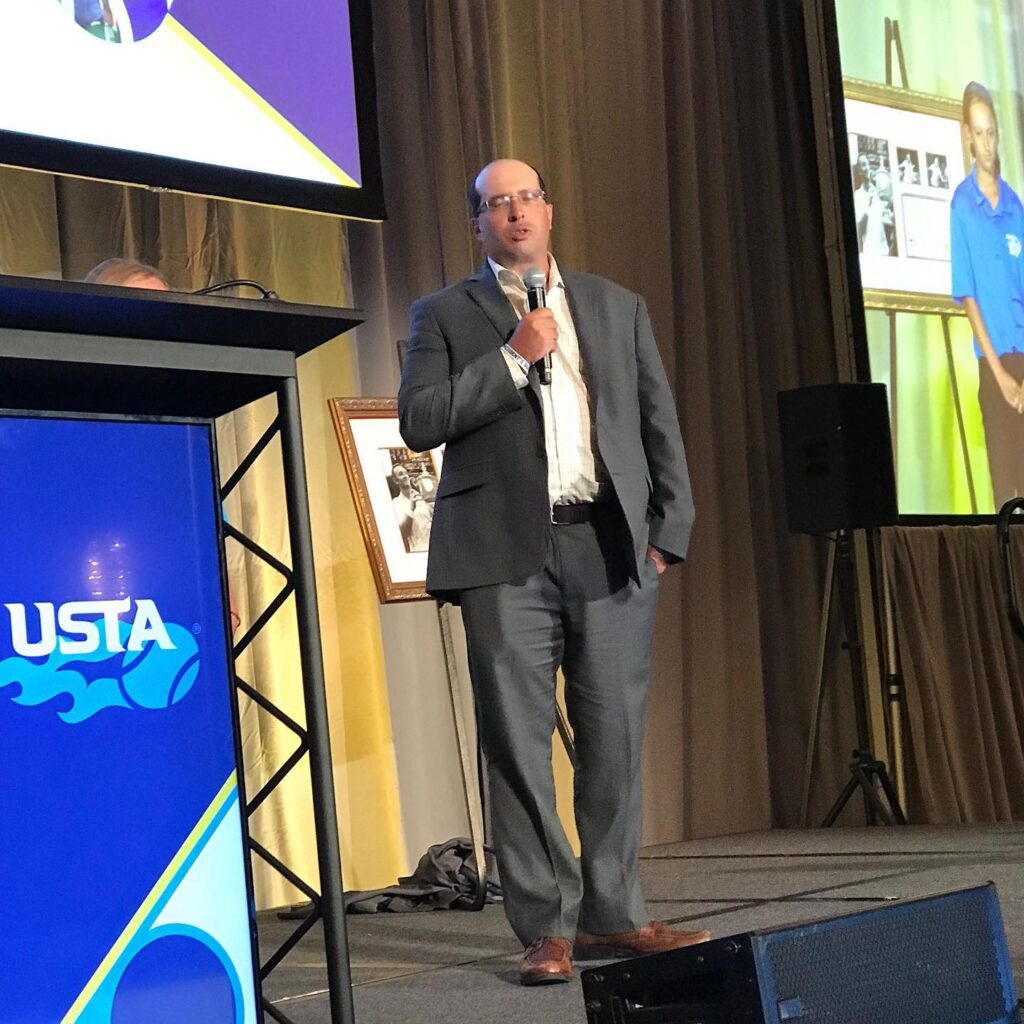
Robert’s love of tennis began as a youngster, when his father, his original coach, taught him the basics of the sport. From the first moment he picked up a racquet as an eighth-grader, Roberts played as much as he could, and the sport provided him with something he and his father could bond over for life.
“I was a tennis junkie, and it is something I share with him to this day.”
Roberts would go on to play high school tennis, which is when he was first bitten by the coaching bug. As a way to make some extra money, he began giving lessons to younger players during the summer.
At the time, it was just a fun summer job, but after his freshman year competing for Ithaca College, he had a waitlist of students eager to sign up for lessons. That summer, he would teach for six hours a day and string racquets at night, honing his skills as someone who could lead in the tennis industry.
As he progressed through his collegiate career, one that would see him graduate with the third most wins in program history, his presence in the coaching world would only continue to grow. Following his junior year, he reached out to the local Parks & Recreation Committee in his town to propose running a summer tennis camp, even offering to reinvest some of the proceeds from that camp back into the courts themselves.
“At 20-years-old, I was running my own camp with a few close friends—Tom Battaglia and Matt Deitch—who are now co-owners of Crestmont Tennis in New Jersey,” Roberts recalls. “After graduating from Ithaca, I fully intended to pursue a career in Airport Management. But demand for lessons and the popularity of my camp only grew. I decided to give tennis a few more years—and those years turned into a career.”
Roberts has always looked to build a community in which players can thrive and succeed, and he understands that is what is required from a leader, not simply teaching techniques or tactics. And it is why his programs have been looked at as a model of success in the Eastern Section. From the beginning, Roberts has emphasized cultivating a welcoming culture that makes everyone who walks through the doors of his club feel like they belong.
Roberts became increasingly active within USTA Eastern’s power structure beginning in 2012 when Sandy Hoffman and Jenny Schnitzer met with him and discussed all the ways USTA could support his business.
Within two years, he became Chair of the Community Development Committee, and in 2016 he was named the Council Director of Eastern’s Southern Region. It was in that role that he ushered in the Section’s first Junior Council, which focuses on empowering youth to lead through tennis, and that Council ran fundraisers for causes including raising money for Pittsburgh synagogue victims, volunteering at senior centers and more.
“Peer-led efforts like these are incredibly effective at growing participation and deepening engagement,” Roberts said.
All of that has led Roberts to where he is today, and his looking forward to continuing the great work of Eastern in his new role as President. He was officially confirmed last November and he hit the ground running as he aims to follow in the footsteps of his predecessors such as Amber Marino, Perron Wong and Olga Harvey.
A top goal of his is to align with USTA National on growing the game of tennis to 35 million participants by 2035:
“To reach that vision, we need to strengthen two key areas: our coaching pipeline and court infrastructure. I’ve established a Coaching Task Force to support the upcoming National Coaching Initiative. We’re working on new ways to deliver education and tools to coaches, high school teachers, league captains and others—anyone passionate about growing the game,” said Roberts. “Infrastructure is another major focus. USTA Eastern has pledged $1 million toward park court rehabilitation. It’s a starting point for expanding access and court capacity across our region. We’ve also been promoting Tennis Venue Services to help providers navigate funding and development.”
Roberts places a strong emphasis on the importance of the Section’s volunteers, and will enact a Task Force to not only show a deeper level of appreciation for those volunteers, but also help recruit new advocates.
“A Sectional Junior Council is also in the works with representatives from each region. Their mission is to bring national and sectional initiatives back to local communities and inspire peers to engage with tennis at every level,” Roberts added.
These are just some of the projects Roberts is already spearheading during the first months of his term as President which creates an exciting time for tennis in our Section.
As Roberts approaches his presidency with the same philosophies and commitment that helped him climb his way through the industry, from a part-time coach to a tennis club owner, he will be at the forefront of a continuing growth of tennis in our communities.
“As President, I’ve set an ambitious but achievable platform,” Roberts concluded. “I plan to be visible, transparent and receptive to feedback. I’m thankful for the relationships I’ve built with our volunteers and staff, and I’m energized by the opportunity to lead USTA Eastern into its next chapter.”