Between the Ears: Where Matches Are Really Won
We have all heard the aphorism that winning is all about what takes place in the six inches between your ears. To win, one must know how to manage the mind but the real question is how this is done. Most athletes turn to the latest tips on coping skills like deep breathing, positive self talk, goal setting or mindfulness meditation. They acquire this knowledge via YouTube, a podcast or sport psychology workshops.
The dirty little secret in sports is that though these tips may work for a day or so, the athletes’ anxiety, slump, lack of focus and patterns of self-defeat return with vengeance at the first sign of pressure. The simple truth is that self-help mantras, goal-setting and meditation sessions cannot penetrate the athlete’s unconscious.
Every athlete faces two adversaries. The first one is visible. They are the ones they see across the net, or next to them on the starting line. The other opponent is invisible, silent and far more powerful. That’s the athlete’s internal foe or what we call their unconscious. And whether your sport is tennis, taekwondo or track, unless you know how to defeat both your external and your internal foe, you will never reach your full potential and you will forever be prone to self-defeat. If your opponent doesn’t get you, your mind will.
So if an athlete is prone to anxiety, the yips, slumps, overthinking, has lost confidence or worries too much about failure, what can the sport psychologist do to help? Most sport psychologists are trained in cognitive behavioral therapy which often amounts to little more than telling the athlete, “Don’t worry, be happy.”
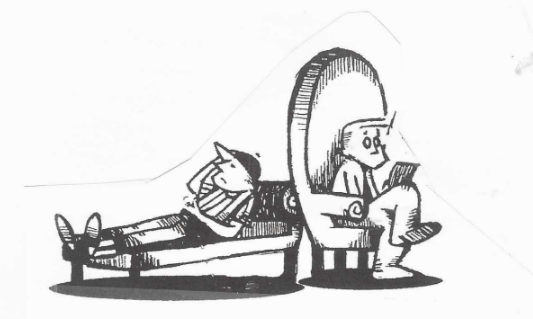
Thankfully, there is a form of treatment for the athlete that actually works and is not a gimmick. This treatment takes the athletes career seriously enough to provide them with time and a sophisticated process which explores the athletes unconscious reasons for self-defeat and excessive anxiety.
This process is currently referred to as “depth sport psychology”, and it consists of the following procedures.
The Seven Tools of Depth Sport Psychology
1) Intake: The intake process carefully reviews the athletes past including family dynamics, the character traits of the parents, sibling relations and birth order, early childhood loss due to divorce, frequent moves or death or a parent or sibling, traumas such as sexual or physical abuse, educational history, dating history and sports history.
2) Establishing the working alliance: The working alliance may be the most important tool in sport psychology. The therapeutic or working alliance is defined as the creation of a friendly relationship through the therapist’s empathy, lighthearted humor, positive regard and non-judgmental attitude toward the athlete. This allows for a bond to form and enables the athlete to become less defensive.
3) Free association: One of the central tenets of depth sport psychology is to help the athlete to “free associate”, or to say whatever comes to mind without hesitation or guardedness. This is why therapy is called “the talking cure” and it’s an extremely difficult thing to learn because shame, guilt and lack of trust must be overcome. But as the athlete is encouraged to say whatever they want, thoughts, feelings and memories from the past slowly begin to emerge and therefore can be worked on.
4) Resistance analysis: All athletes resist change, growth and healing. They demonstrate resistance by talking about superficial things, becoming silent, having nothing to say, missing appointments or showing up late. The unconscious causes of resistance include a fear of facing pain or shame, chronic distortion of perceptions, a compulsive need to repeat the past, the guilty need for punishment, the desire to obtain sympathy or the need to avoid the pressure inherent in success. Resistance is seen in every session and it is remarkable that standard sport psychology has nothing to say about this ever present problem.
5) Defense analysis: Defenses are compromise positions athletes use to manage conflicts about aggression or winning. Primitive defenses include repression, regression, dissociation, somatization, injury and denial. The neurotic defenses include overcompensation, displacement, and intellectualization. The mature defenses include self-observation, anticipation, planning ahead, asceticism, sublimation, assertiveness, affiliation and humor. Depth sport psychology explores how and why athletes use their defenses, and in so doing they resolve conflicts about aggression and winning which enables the athlete to be far more effective and consistent on the playing field.
6) Transference analysis: Transference in athletes occurs when they exaggerate the power of their opponents due to early life experiences with their mother, their father, their siblings or a harsh coach. This common problem produces undo anxiety and feelings of weakness in the athlete. Transference is a deeply rooted perceptual state and even though an athlete may be quite talented and well trained transference distortions will always compromise performance. Depth sport psychology addresses transference issues by focusing on these distortions and connecting them to the athlete’s past.
7) Dream analysis: The athlete’s dreams are important and reveal their deepest worries, anguish and hopes. They are usually triggered by the previous days occurrences called day residue but the dreams invariably symbolize the athlete’s most chronic and intractable problems. Depth sport psychology teaches the athlete how to keep track of their dreams and their dreams are analyzed in sessions.
In this article I have tried to demonstrate how depth sport psychology differs from that of standard cognitive behavioral mental skills training. Depth sport psychology takes the athlete on an amazing, helpful and interesting journey within and the outcome is a healthier, happier and more powerful athlete, both on the field and off.