
How To Structure Your Week Before A Big Tournament
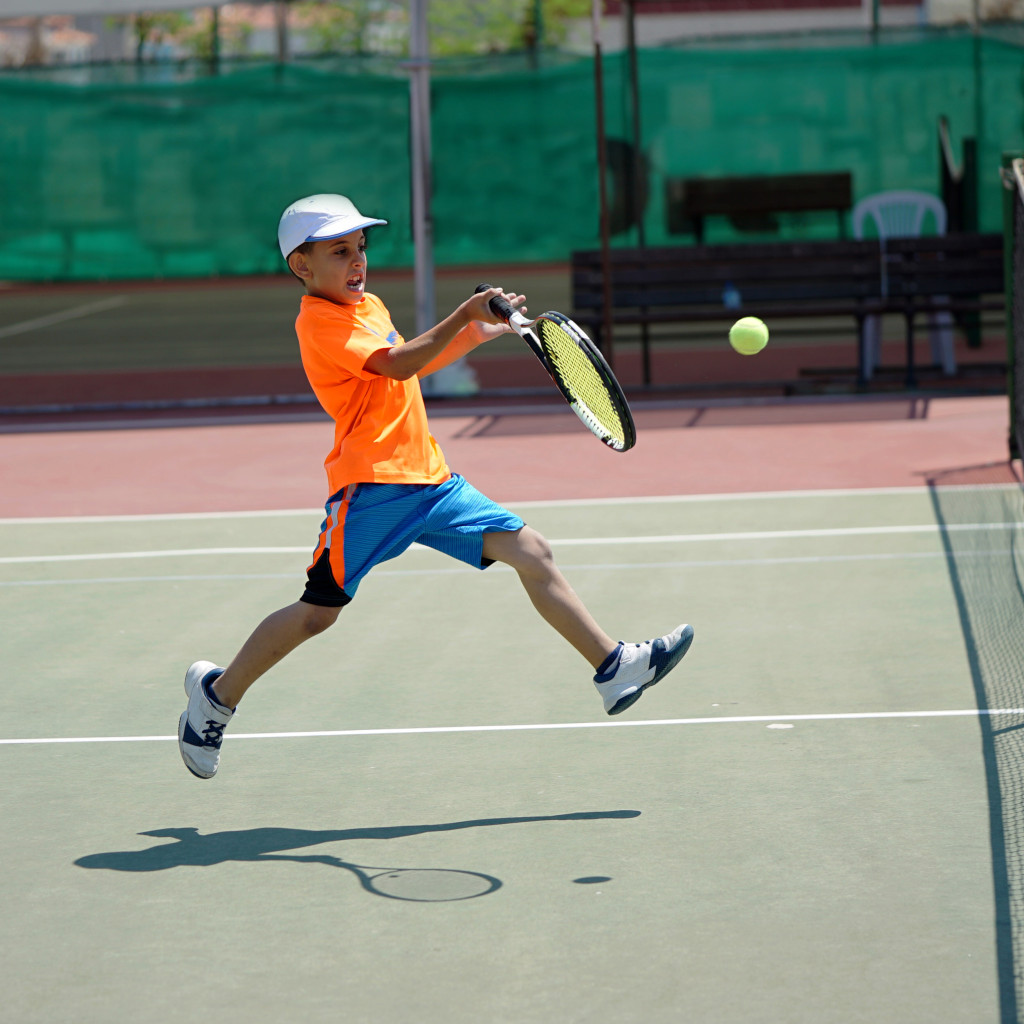
The week before a tournament isn’t the time to change your game; it’s the time to sharpen it. If something feels slightly off, your backhand, your serve, your footwork, this is the week to clean it up with extra reps. But it’s not the moment to reinvent your game.
During tournament week, I like to mirror our junior practices to reflect real match-play scenarios. We’ll spend time rallying to lock in timing, but we’ll also play points. I want players working on serve-plus-one patterns, returning with purpose, and building points the way they actually want to construct them in competition. Movement is critical. We make sure to spend time focusing on footwork and recovery steps, especially transitioning from defense to offense.
Tactically, you should go into a tournament with a simple plan. How will you handle a pusher who makes a lot of balls? What’s your strategy against a big server? Where are you most comfortable finishing points: crosscourt or down the line? Going into a tournament with a clear plan makes a big difference.
One mistake I see often is overtraining. Players think they need to do more because a tournament is coming. In reality, you want to feel sharp, not tired. Make sure you’re resting well between practices and staying on top of hydration and nutrition.
The day before the event should feel calm and organized. Make sure your racquets are freshly strung, grips are ready, and your bag is packed. I encourage players to write down three to five simple focus points, something like:
“High first-serve percentage”
“Move my feet at every point.”
Mental preparation is just as important. During the week, visualize different match situations. Picture yourself down a break. Picture yourself serving for a set. When those moments come, they won’t feel unfamiliar.
Once match time starts, preparation is done. Trust the work, stop thinking about technique, and focus on competing and making smart decisions. If the week was planned well, you’ll be ready physically and mentally to handle whatever comes your way.
For players: Focus on what you can control this week which is your practice, your rest and your mindset. Everything else will sort itself out on match day.
For parents: Trust the plan we’ve got. If your kid sticks to their normal routine, they’ll feel more confident and ready when it matters.
Over the years, I’ve seen a clear pattern: players who keep their usual practice rhythm before a tournament play more consistently.
Preparation doesn’t guarantee wins. But what matters most is what I tell my players before every single tournament:
Try your best, practice good sportsmanship and have fun!