
The Importance of Footwork
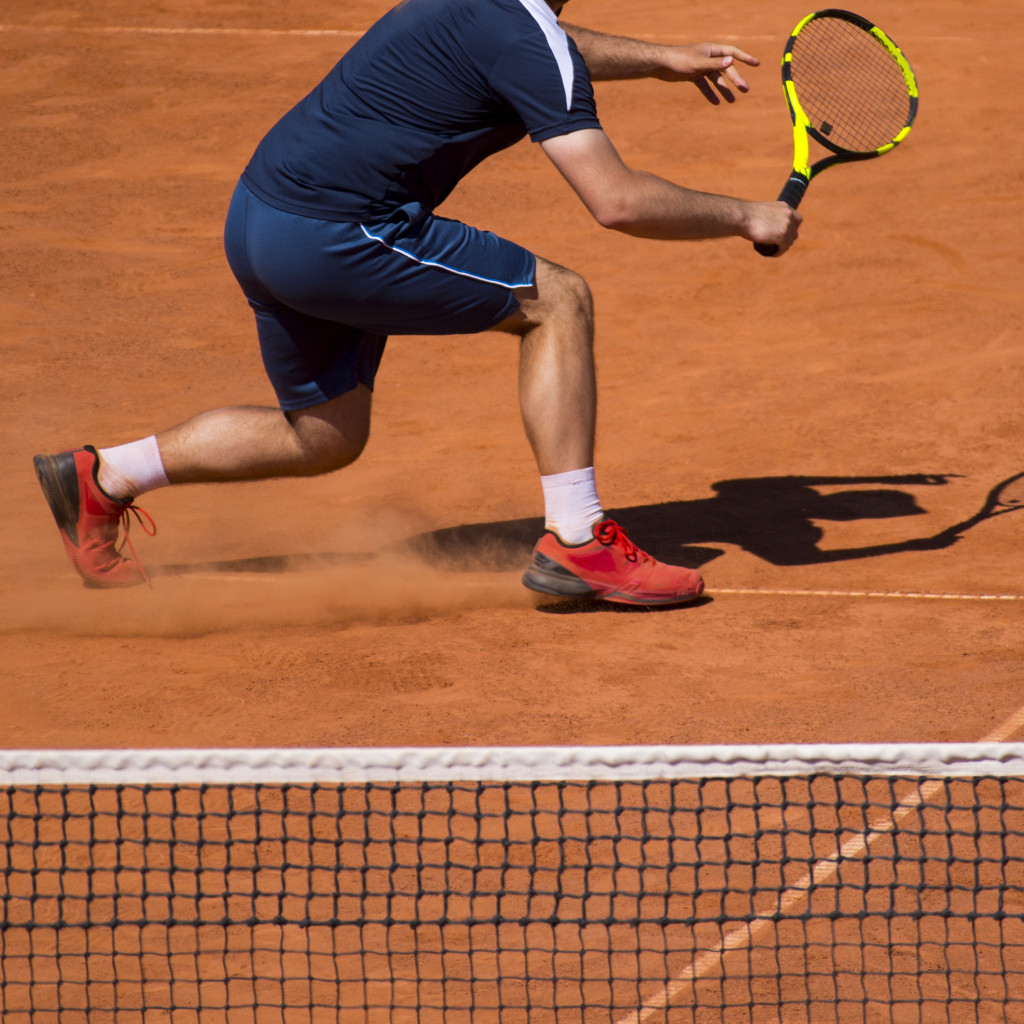
Footwork is essential to playing tennis, no matter how you approach it. Common phrases heard on the courts—such as “move your feet,” “get to the ball,” “recover for the next shot,” “one step closer to the net,” and” get behind the ball”—all emphasize the importance of footwork.
Tennis involves receiving skills before sending skills. If a player does not receive the ball correctly, it will be difficult to send the ball with purpose. Successful players do not move to hit the ball, they move to do something to the ball. Mastering proper footwork throughout your development is crucial, whether you’re a 10-and-under player, a junior, or an adult.
Understanding and improving your footwork will enhance your ability to swing and control the ball more effectively. Developing these five movement skills will improve your overall footwork and ultimately improve your shot-making.
- It starts with a Split Step. I feel this is the most underrated and undertrained movement in tennis. I am not just referring to ‘hopping’ up when the opponent is hitting the ball. The Split Step is so much more than that. It is a timed movement that needs to have the player engaged and connected to what is happening on the other side of the net. A mistimed Split Step will result in a player not getting to the ball effectively, dramatically affecting the quality of the shot.
- The first step to the ball. The more successfully this step is performed, the faster the player will be in getting to the ball. Two specific concepts to make this step more effective are: a. when moving to the right, the first step is done with the right foot and when moving to the left, the first step is done with the left foot.The direction of the first step directly reflects the location of where on the court the player will make contact with the ball.
- The last step to the ball. Not only is this step the final step in getting to the ball, but it is during this step storing the energy that will be used during the swing takes place. A specific concept to focus on with this step is maintaining a low profile. If the body stands too tall, the storing of energy does not take place.
- The ability to secure a proper stance. There are many different types of stances a player can use; therefore, the main focus is being balanced. Being balanced means the player is in control of their body, ultimately having the ability to control the racquet and the ball.
- The first step after the completion of the shot (recovery) is often overlooked during training. How the movement of hitting “flows” into the required movement of repositioning for the next shot is critical.
Having an effective first step of recovery often makes the difference in reaching the next shot correctly. The first step of recovery needs to be explosive, purposeful, and have a sense of urgency.
There is only one word in the entire tennis dictionary that has the word “work” in it, footwork. If a player decides to do the work, the footwork, then hitting the ball becomes much easier and so will this game.