
What You Should Look For In a Sports Recovery Drink
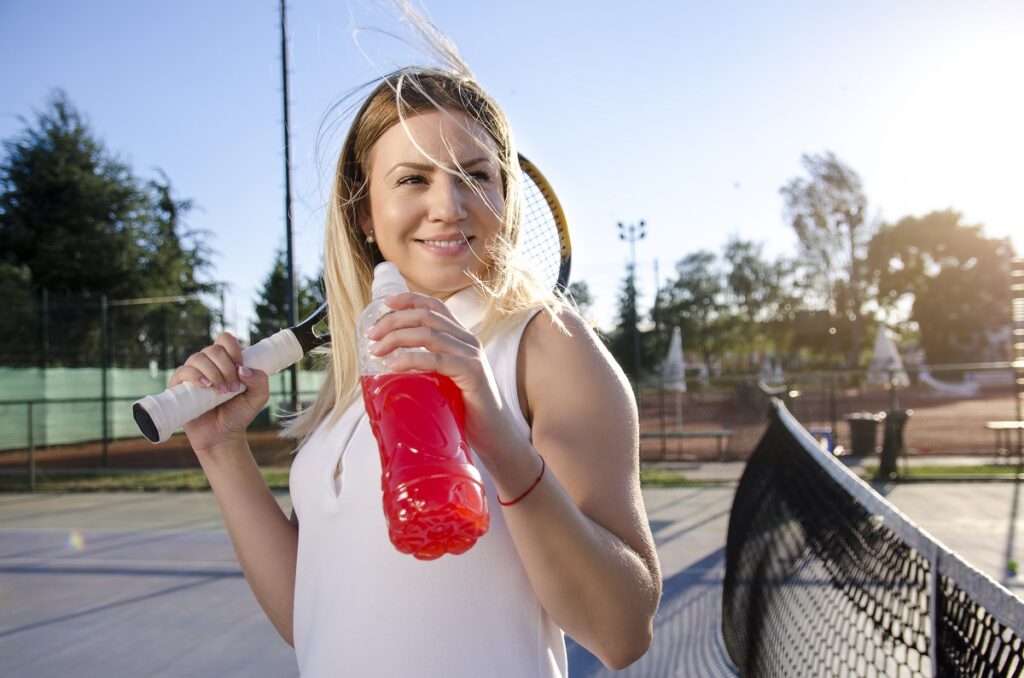
Every athlete understands the great importance hydration plays in their performance—possibly as a result of experiencing the negative impact that dehydration imparts on the body. But what about the significance of re-hydrating post-race or after a competition? As a rule of thumb: Athletes should work with a functional health practitioner to calculate their sweat-rate and dehydration percentage in order to understand how to stay properly hydrated. Then, athletes should choose fluids that meet their electrolyte replenishment needs. Here’s what you should be looking for in a sports recovery drink.
Electrolytes are king
Electrolytes are substances that are utilized by the body to create electrically-charged fluids. Many bodily functions depend on electrolytes, especially in muscle and nervous system tissue. For an athlete, keeping electrolytes balanced is key for both training and competitive performance. Major electrolytes found in the body include sodium, chloride, potassium, magnesium, calcium, phosphate and bicarbonate. After exercising, proper fueling requires more than just replenishing calories and fluids—it also involves consistent and adequate electrolyte support.
Sodium, potassium, magnesium and calcium are the four major electrolytes that maintain the body’s fluid balance. Balanced electrolytes are necessary for your digestive, cardiac, muscular and nervous systems to function well. If your electrolytes are imbalanced, you could compromise your athletic performance by putting yourself at risk for muscle fatigue, cramping or worse. Along with muscle cramps in the legs, stomach cramps or side stitches are also a common result of an electrolyte imbalance.
As a major electrolyte, magnesium plays a key role in 300 enzymatic reactions in the body and is essential for proper functioning of the nervous, musculoskeletal and cardiovascular systems. Temporary magnesium deficiency as a result of exercise may impair endurance performance by increasing oxygen requirements to complete submaximal exercise. Replenishing magnesium—either as amino acid chelate or bis-glycinate—ensures both increased absorption and more usable magnesium in the body for cellular metabolism and glucose homeostasis. Additionally, malic acid with magnesium uses aerobic and anaerobic energy sources so energy production can be boosted.
Other critical electrolytes to replenish during post-exercise recovery are sodium and potassium, particularly for those athletes with high sweat losses. For optimal performance, especially when losing large amounts of electrolytes through sweat, sodium and potassium should be replaced in proportion to the amounts that are lost—these proportions average between 3:1 and 5:1. By replenishing, and ultimately maintaining, the correct electrolyte ratio, athletes can avoid muscle cramping, muscle fatigue and stomach bloating.
Not-so-obvious ingredients
Whether you choose to purchase your sports recovery drink in liquid form, capsule or in a powder that you mix into water, they all should also contain the following ingredients:
►Glutamine: Glutamine is the most abundant amino acid in the plasma and muscle of humans. Glutamine protects muscle tissue and supports immune function during periods of immune and muscular stress, and supports protein synthesis and the integrity of intestinal mucosal cell. Glutamine supplements preserve and protect muscles from inflammation.
►Taurine: An amino acid that helps regulate the level of water and mineral salts in the blood. Taurine also keeps potassium and magnesium inside the cell, while keeping excessive sodium out. Many studies suggest that taurine supplementation may improve athletic performance.
►L-carnitine: Drives fatty acids to the inner layer of the mitochondria where they are oxidized for cell energy. It also up-regulates the androgen receptor content, improving recovery from workouts. This enables athletes to optimize their use of fat during exercise.
►L-carnosine: An amino acid that helps fight fatigue, has antioxidant properties, and helps minimize damage to tissue found in fast-twitch muscle fibers.
►B-Complex Vitamins: For energy production.
►Chromium: For blood sugar and lipid control.
►Citric Acid: To increase sodium and water absorption.
An absence of sugar
Macronutrient and electrolyte requirements are increased during physical activity. During prolonged exercise, two primary goals should be to replace fluid losses and to provide carbohydrates for maintenance of blood glucose. Therefore, when it comes to choosing a sports recovery drink, you’ll want to avoid America’s most addictive drug: Sugar. Not only will sugar induce the peaks and valleys of varying blood glucose levels, constantly replacing electrolytes with sugary sports drinks can lead to health problems down the road.
For starters, avoid popular electrolyte drinks that contain high amounts of simple sugar. Instead, I recommend consuming a rehydration supplement formulated without artificial sweeteners or colors. Typically available in powder form, the right rehydration supplements are scientifically designed to help support fluid balance, supply sodium and potassium to help replenish the electrolytes lost during exercise, deliver key electrolytes to help replace those lost through sweating during exercise, activity or hot weather conditions, and support hydration during exercise. To help maintain adequate hydration, supplement your diet for electrolyte support without artificial sweeteners, drink rehydration supplements mixed into water in accordance with the hydration plan developed with your functional health practitioner.
If you have ever cramped during a run, played a tennis match on a hot summer day, or sweat to the point where salt crystalized on your face, your body has required electrolytes. As an athlete, proper hydration, electrolyte replenishment and adequate recovery will dictate how (and how often) you practice and compete. Incorporating all of the necessary electrolytes your body needs—without consuming sugary sports drinks—is one key way to continue performing at the top of your game.