
Why Resistance Training is a Critical Component for Youth Tennis Players
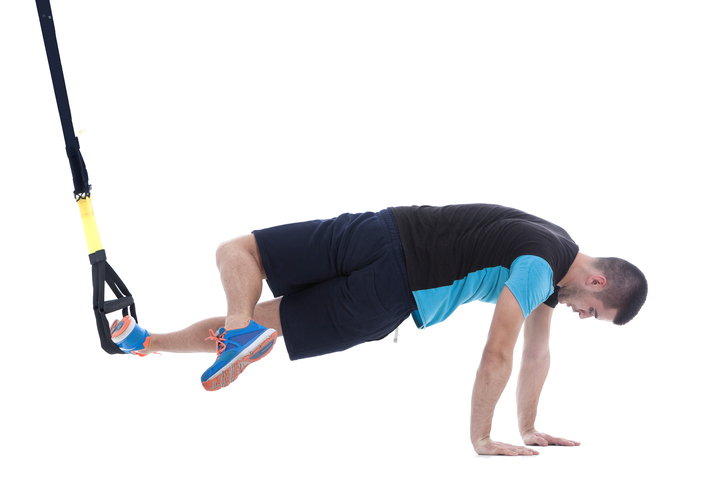
Resistance training for adult athletes promotes many positive benefits. However, for one reason or another, the topic of resistance training for young athletes has become a controversial topic. There used to be a time when resistance training for a child was viewed as taboo, so we began associating it as an unsafe activity that would lead to injury. There also used to be a time in the early 1900s when doctors said physical activity for females would make them sterile. Thankfully, we have learned from both misconceptions.
What we have discovered through the years of studies is that when young athletes participate in a resistance training program, they increase many health and fitness-related measures, improve motor skills and sports performance, and most importantly, increase the child’s resistance to injury. In fact, the official sports medicine handbook of the International Federation of Sports Medicine (FIMS) estimates that 15 to 50 percent of acute and overuse injuries sustained by children could be prevented if they were better physically prepared.
Competitive youth tennis players accumulate more than 15 hours a week of tennis participation via clinics, private lessons, tournaments, etc. That’s 15-plus hours of explosive powerful movements. Resistance training, cycled at appropriate times, can better prepare that young athlete to handle the duration and magnitude of forces that occur during those practices and matches.

The junior tennis players I work with will often hear me stress that “you don’t get injured on my watch.” That’s because unlike a tennis match, fitness is done in a controlled environment where proper form and technique can be stressed. It is also an environment where I can correct asymmetrical imbalances brought on by the sport of tennis, thus decreasing the risk for injury. Take the hips, for instance. We rotate more in one direction (forehand and serves) than the other (backhand). You may notice this during a plank position when the hips rotate in a dominant direction. If gone untreated, these muscle imbalances can result in an injury to the musculoskeletal system of a young body that is still developing into adolescence.
Of course, like anything else, there needs to be a systematic approach towards developing a resistance training program. Parents should make sure that the coach developing their child’s resistance program is educated on guidelines pertaining to youth athletes and have the ability to communicate proper technique that is comprehensible to a child.